- V
- GF
- NS
- DF
- View Recipe Key
Salted Caramel Gelato
Salted Caramel Gelato

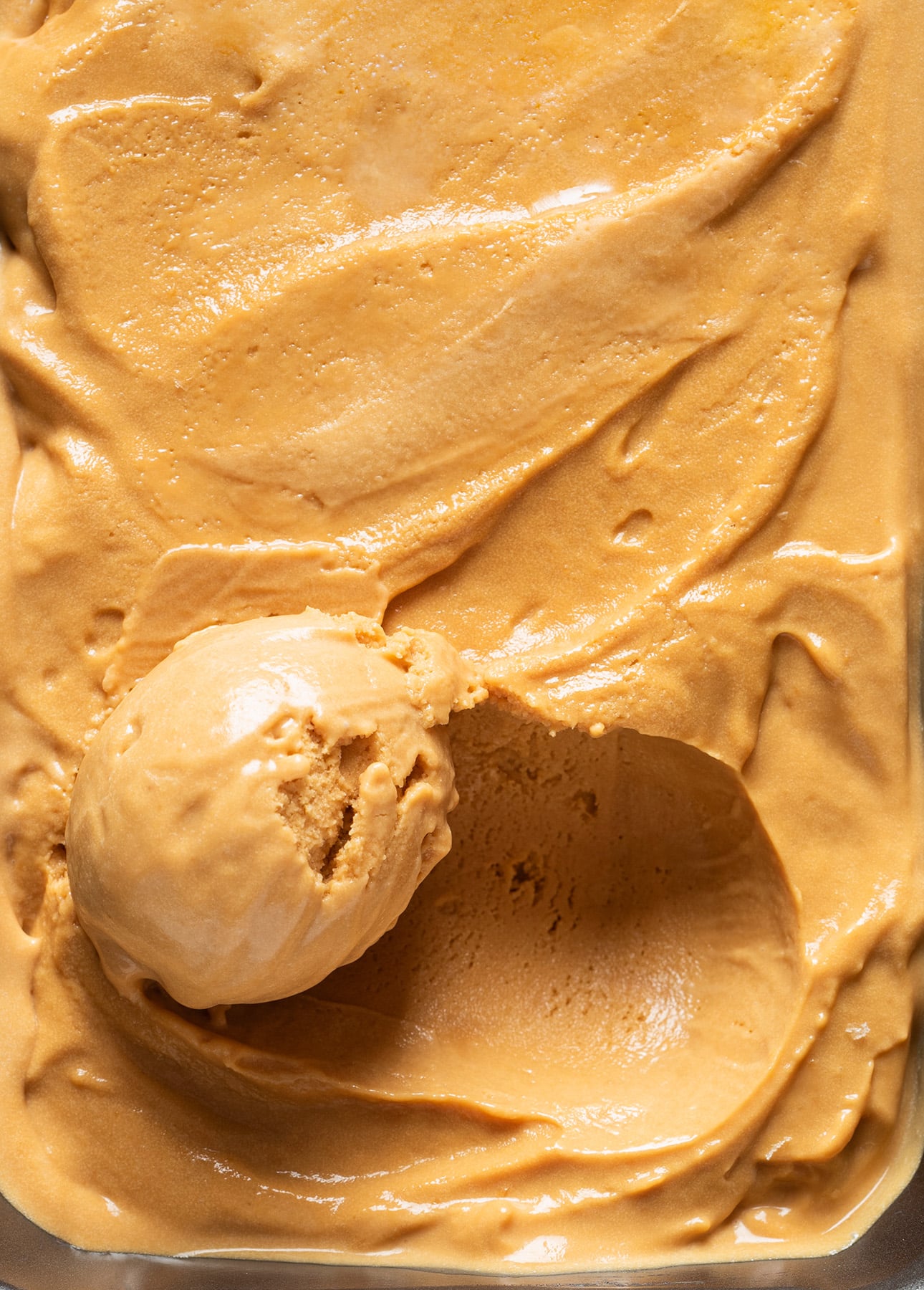
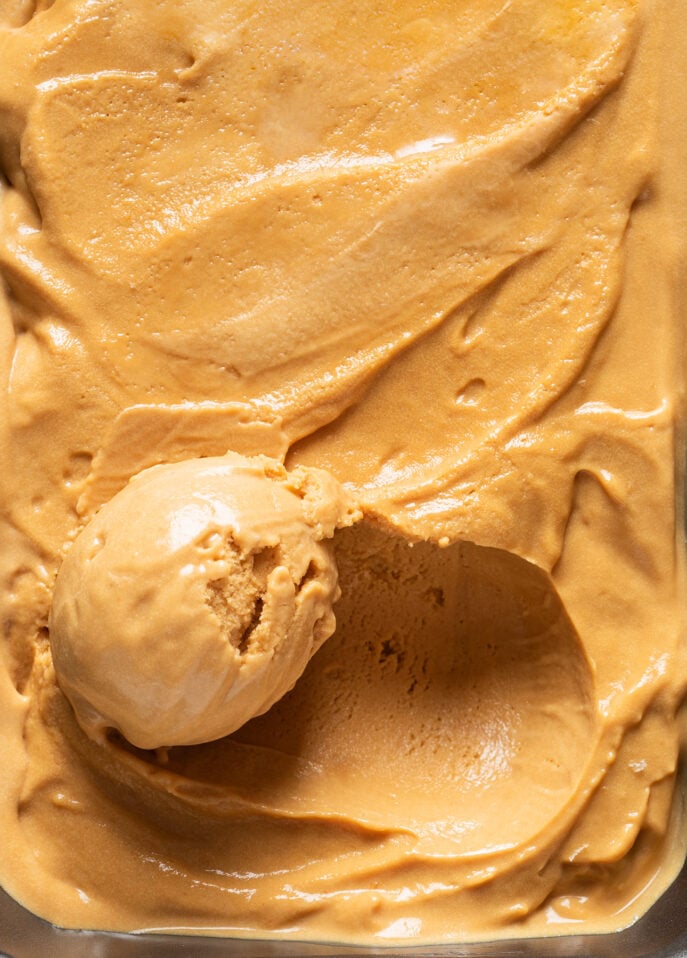
If you love desserts that lean sweet-savory rather than overly sugary, this Salted Caramel Gelato is for you. It’s made with real dark caramel for a deep, toasty flavor, then churned into a smooth, creamy gelato that tastes refined, balanced, and completely irresistible.
This post contains affiliate links. Full disclosure is at the bottom of the article.
Salted caramel gelato is exactly my kind of dessert. I’ve always loved sweets that know when to stop—desserts with depth, contrast, and just enough salt to keep things interesting. I’m far more tempted by a spoonful of something silky and bittersweet than by anything aggressively sugary, and this sea salt caramel gelato hits that balance beautifully. It has the deep, toasty flavor of real caramel, a soft hit of salt that keeps every bite interesting, and a smooth texture that makes homemade gelato completely worth it.
This salted caramel gelato also fits very naturally into a flavor world I often return to. If you’ve made my salted caramel cream puffs, salted caramel macarons, or salted butter caramels, you already know I have a weakness for desserts that play sweet against savory. Salted caramel is a flavor that’s elegant, but still familiar and comforting.
What I love most about this recipe is that the flavor comes from actual caramel, not shortcuts. You start by making a dark caramel on the stovetop, then turn it into a silky gelato base with milk, cream, cornstarch, and a single egg yolk. That combination gives the finished gelato a texture that’s rich and smooth, but still lighter and cleaner on the palate than a full custard-style ice cream.

If you’ve never made caramel from scratch, don’t worry. I’ll walk you through the process step by step so you can succeed on your first try.
This is a recipe that rewards a little patience. I’ve made enough gelato over the years to know that the small details matter: how dark to cook the caramel, how thoroughly to chill the base, when to stop the machine, and how long to let the gelato sit before scooping. None of it is difficult, but knowing those cues makes all the difference between a good batch and one you’ll want to make again and again.
If you’re craving a homemade frozen dessert that’s refined, deeply flavorful, and beautifully balanced between sweet and savory, this salted caramel gelato deserves a spot in your repertoire.

Why You’ll Love This Salted Caramel Gelato
This is not a one-note caramel dessert. The caramel is cooked until deeply amber, which gives the gelato a slight bittersweet edge that keeps the flavor from reading flat or candy-like. The salt is there to enhance the caramel, not overwhelm it, so every spoonful tastes rounded and complex instead of simply “sweet with salt on top.”
The texture is another reason to make it. Like the other gelato recipes on my site, this one turns out incredibly smooth. Like my Sicilian-style gelato recipe, it uses cornstarch to give the base body and help keep it from turning icy, while the egg yolk adds just enough richness to make the finished gelato taste truly luxurious. Once churned, the gelato is dense, silky, and intensely flavorful, with the smooth mouthfeel that makes gelato so special.
It’s also a wonderful dinner party treat because it pairs so well with other desserts. Serve it alongside tarts, cakes, or even simple butter cookies for an easy but memorable dessert.

How to Make Gelato Video Masterclass
Don’t miss my free gelato video masterclass! In it, I explain what makes gelato different from ice cream, how to make a versatile base you can turn into many flavors, and how to churn and serve gelato at its very best. I also cover dairy-free, vegan gelato. It’s a colorful, comprehensive class packed with practical tips. Watch Now!
What Makes This Recipe Work
Real caramel, not just caramel sauce
Many caramel frozen desserts rely on prepared caramel sauce or dulce de leche for convenience. Those can be delicious, but they don’t taste quite the same as caramel made directly from sugar on the stove. Here, the sugar is cooked until it reaches a deep amber shade before the cream is added, which creates a more layered flavor with light bitterness and real toasted depth.
A balanced sweet-salty profile
Salted caramel should taste balanced, not aggressively salty. In this recipe, the salt acts more like a flavor amplifier than a dominant note. It sharpens the caramel and keeps the gelato from tasting overly rich or cloying. That’s exactly why this flavor appeals so much to people who, like me, prefer desserts with a little restraint.
A silky gelato base
This recipe follows the same general logic as my Sicilian-style gelato recipes, using cornstarch for body and a small amount of egg yolk for added richness. I love this approach because it gives homemade gelato a smooth, elegant texture without making it heavy. It also makes the process easier for home cooks.
Key Ingredients and Technique Notes
Sugar
Sugar is used to make caramel, so its role is more than just simple sweetness. You want to cook it long enough for it to develop flavor, but not so long that it tips into bitterness. Look for a deep amber color. Pale caramel will make the finished gelato taste too mild and too sweet.
Heavy Whipping Cream
The heavy cream stops the caramelization and turns the caramel into a smooth, pourable base. Add it slowly and carefully: the mixture will bubble dramatically and release piping-hot steam at first, which is normal.
Milk
Milk keeps the gelato lighter and more in line with the clean texture people expect from gelato. Since caramel is already rich by nature, the milk helps balance the final result.
Cornstarch
Cornstarch is one of the keys to the texture here. It thickens the base and helps produce that silky, dense consistency that makes homemade gelato taste polished rather than icy.
Egg yolks
This recipe uses just one yolk, which is enough to enrich the base without turning it into a classic custard-heavy ice cream. It’s a small amount, but it makes a noticeable difference.
Salt
Use the exact salt specified in the recipe, and pay close attention to the type and grind of salt you’re using. Fine sea salt and kosher salt do not measure the same way by volume. This matters a lot in a salted caramel recipe because even a slight overmeasure can throw off the flavor.
Vanilla
A teaspoon vanilla extract rounds out the caramel and softens the sharper, bitter notes. It doesn’t make the gelato taste “vanilla,” but it does make the flavor fuller.

How to Make Salted Caramel Gelato Successfully
The first step is making the caramel. Cook the sugar with the water over medium heat until it turns a deep amber. Don’t stir once it’s dissolving—just swirl the pan gently if needed to get an even color. This is the point where patience matters most. If you pull it too early, the gelato will taste merely sweet. If you let it go too far, it will taste burnt.

Once the caramel is ready, take the pan off the heat and slowly whisk in the cream. The mixture will bubble up dramatically and release very hot steam at first, so keep your face away from the pan as you pour. Keep whisking, and the caramel will smooth out again.
In a second saucepan, you’ll warm part of the milk, then whisk the remaining milk with the cornstarch until smooth and add it in. This mixture cooks until lightly thickened, which creates the foundation of the gelato base. The caramel cream is then whisked into that milk mixture so the flavor is evenly distributed before the yolk is added.
Tempering the yolk is the last important texture step. Whisk a little of the hot mixture into the yolk first, then return it to the saucepan. This prevents scrambling and keeps the base smooth.
At this point, I always strain the mixture through a fine mesh strainer. Even if everything looks good, straining catches any tiny bits of overcooked egg or undissolved caramel and gives you a more refined final texture.

Then comes the least exciting but most important part: chilling the base thoroughly. The colder the base is when it goes into the machine, the smoother and more stable the churned gelato will be. If you want to cool the base down more quickly, set the container over an ice bath before transferring it to the refrigerator. I strongly recommend an overnight chill.
Quick Summary: 4 Details That Matter Most
- Cook the caramel until it is properly dark, not pale;
- Measure the salt carefully and use the correct type;
- Strain the finished base before chilling;
- Chill the base fully before churning, preferably overnight.
Serving Suggestions
Salted caramel gelato is beautiful on its own, but it also plays well with many desserts. It’s especially good with apple desserts, pear cakes, chocolate cakes, brownies, blondies, and crisp cookies.
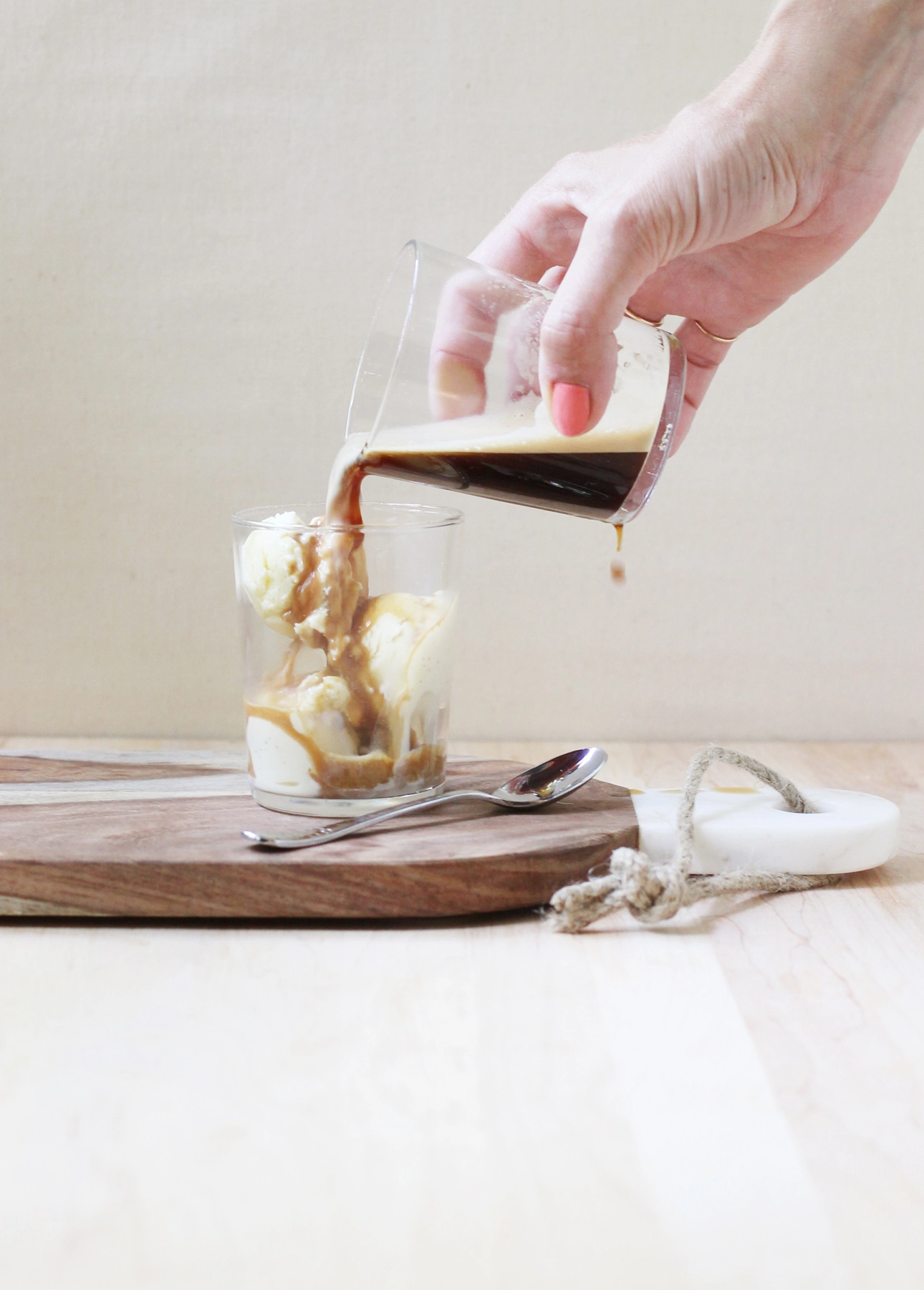
It also makes an excellent affogato-style dessert. A scoop with a shot of hot espresso poured over it is outrageously good.
Helpful Tips for Making Salted Caramel Gelato
If your caramel seems too light
Keep cooking it. To get that deep caramel flavor, pale gold is not enough. You want to reach a deep amber color so the finished gelato tastes nuanced and slightly bittersweet, not just straight sweet.
If you want to use a thermometer
You can, but I don’t find it essential for this recipe. I prefer to judge caramel by color because it changes very quickly near the end, and spending too much time watching a candy or digital thermometer can make it easier to miss the point where the caramel starts getting too dark. Deep amber is the cue you really want to watch for. That said, if using a thermometer makes you feel more confident, deep amber caramel usually falls around 340°F to 355°F (171°C to 180°C).
If the caramel seizes when you add the cream
Don’t panic. That can happen when the cream first hits the hot caramel. Keep whisking over low heat if needed, and the hardened bits should melt back into the mixture.
If you’re unsure about the salt
Stick to the recipe exactly the first time, especially if you’re switching between kosher salt and fine sea salt. Once you’ve tasted the churned gelato, you can decide whether you want a slightly bolder salty edge next time.
If you want the smoothest texture
Chill the base until it is really cold before churning. I don’t mean “cool.” I mean fully cold from the fridge. This one step makes a huge difference in the final creamy texture.

If you want to make it ahead
The gelato base can be made a day ahead and chilled overnight before churning. In fact, that usually improves the final texture.
If you want to store it well
Transfer the churned gelato to an airtight container and press a piece of parchment or plastic wrap directly onto the surface before closing the lid. That helps protect it from ice crystals.
If the gelato freezes too firm
That’s normal with homemade gelato. Let it sit at room temperature for 15 to 20 minutes before scooping so it returns to its ideal texture.
If you want to serve it for company
Churn the gelato earlier in the day, freeze it until firm, then move it to the counter shortly before dessert. Homemade gelato is always easiest to serve when it has had a little time to soften.
FAQ
What’s the difference between salted caramel gelato and salted caramel ice cream?
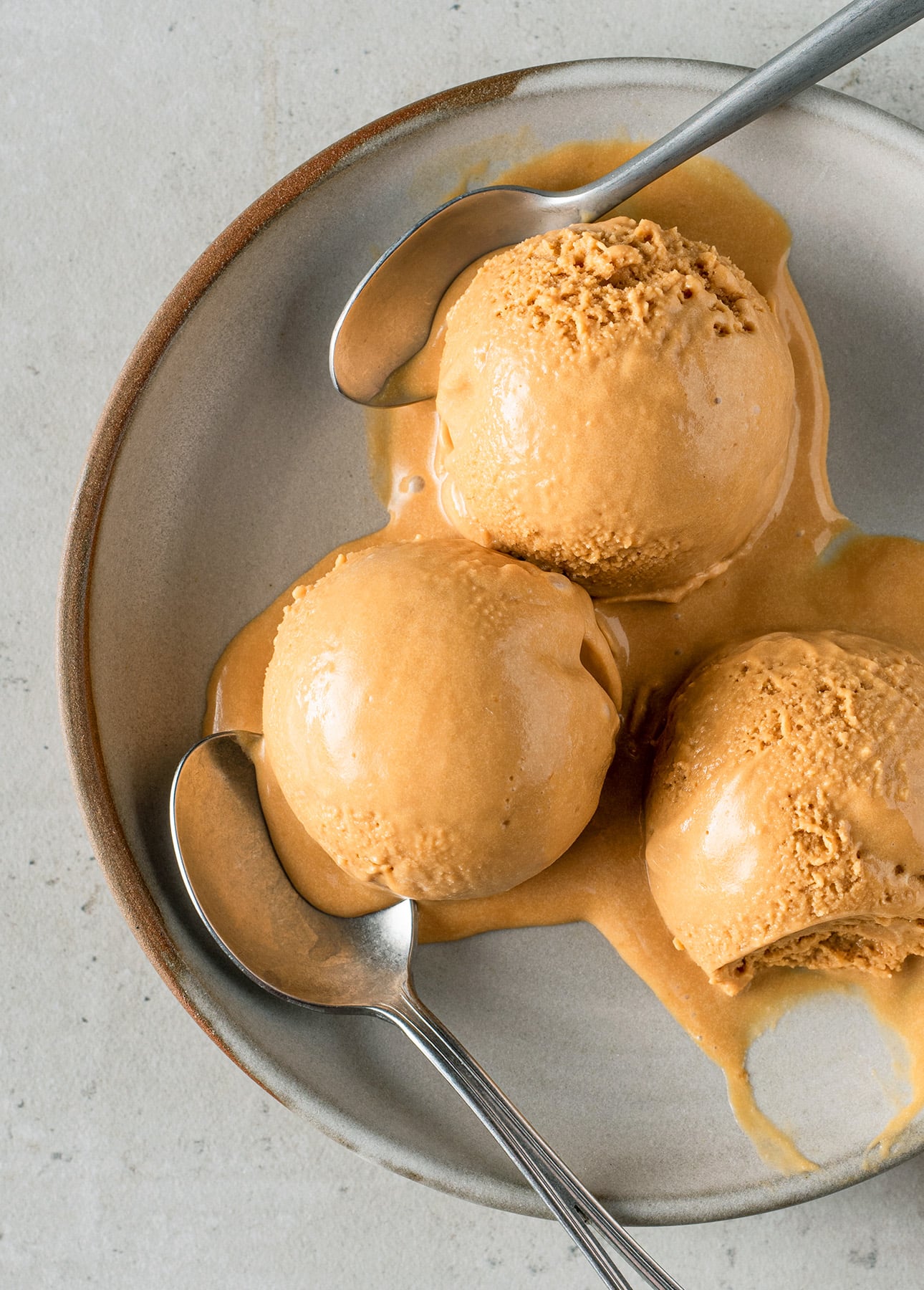
Gelato usually contains less fat and less air than standard ice cream, so it tastes denser, smoother, and more intensely flavored. In this recipe, that means the caramel comes through especially clearly. To learn more about what makes gelato so special, head to my detailed How to Make Gelato article.
How salty should salted caramel gelato be?
It should taste balanced, not straight-up salty. The salt should sharpen the caramel and cut the sweetness, but it should never dominate the spoonful.
Can I make salted caramel gelato without an ice cream machine?
This specific recipe is designed for an ice cream maker. A no-churn method is possible in theory, but it won’t give you quite the same dense, silky texture.
More Gelato Recipes
Browse through all my gelato recipes for inspiration! You’re sure to find a new favorite.
- Dark Chocolate
- Milk Chocolate and Hazelnut
- Pistachio
- Orange Almond
- Coffee
- Lemon
- Maple
- Cherry
- Blueberry
- Raspberry Rose
- White Chocolate and Strawberry
- Fresh Peach
- Mango and Passion Fruit
- Rhubarb
- Sweet Corn

Additional Resource: A Guide to Making Italian Ice Cream at Home
If you’ve never made gelato before, don’t miss my detailed guide to making Italian ice cream at home. The guide contains ALL the information and tips I’ve gathered through 20 years of gelato-making. You’ll learn what sets gelato apart from American-style ice cream, the difference between a classic gelato base and a Sicilian-style gelato base, why you do need an ice cream maker to make the best Italian ice cream, and get access all of my colorful gelato recipes in a single spot. Happy churning!

Salted Caramel Gelato Recipe
Ingredients
- 1 cup granulated sugar
- 3 tbsp water
- 1 cup heavy cream (35% m.f.)
- 1 tsp pure vanilla extract
- 2 cups milk, preferably whole (3.25% m.f.) or partly skimmed (2% m.f.)
- 2 tbsp cornstarch
- 1 large egg yolk
- ½ tsp kosher salt, or ¼ tsp (1,25 ml) fine sea salt, plus more to taste
Instructions
- In a medium saucepan, combine the sugar and water. Set over medium heat and cook, without stirring, until the sugar dissolves and turns a deep amber color. Swirl the pan gently from time to time so the color develops evenly.
- Remove the saucepan from the heat and very slowly pour in the heavy cream, whisking carefully as you go. The caramel will bubble up vigorously. Once the bubbling subsides, whisk in the vanilla and salt, then set aside.
- In another medium saucepan, pour in 1 cup (250 ml) of the milk and warm over medium heat until it just starts to bubble around the edge.
- Meanwhile, in a small bowl, whisk the remaining 1 cup (250 ml) milk with the cornstarch until completely smooth. Remove the saucepan from the heat, whisk in the cornstarch mixture, then return to medium heat. Cook, whisking regularly, until the mixture thickens slightly, about 6 minutes.
- Whisk the caramel cream into the milk mixture until smooth and fully incorporated.
- Place the egg yolk in a medium bowl and whisk until pale and slightly thickened, 30 seconds to 1 minute. Temper the egg yolk by slowly pouring one ladleful of the hot caramel mixture into the yolk, whisking constantly, then slowly pour the yolk mixture back into the saucepan, whisking to combine.
- Remove from the heat and strain the salted caramel gelato base through a fine-mesh strainer into an airtight container. Let cool to room temperature, then refrigerate for at least 6 hours, or preferably overnight. The gelato base must be very cold before churning: this will produce the smoothest, silkiest texture.
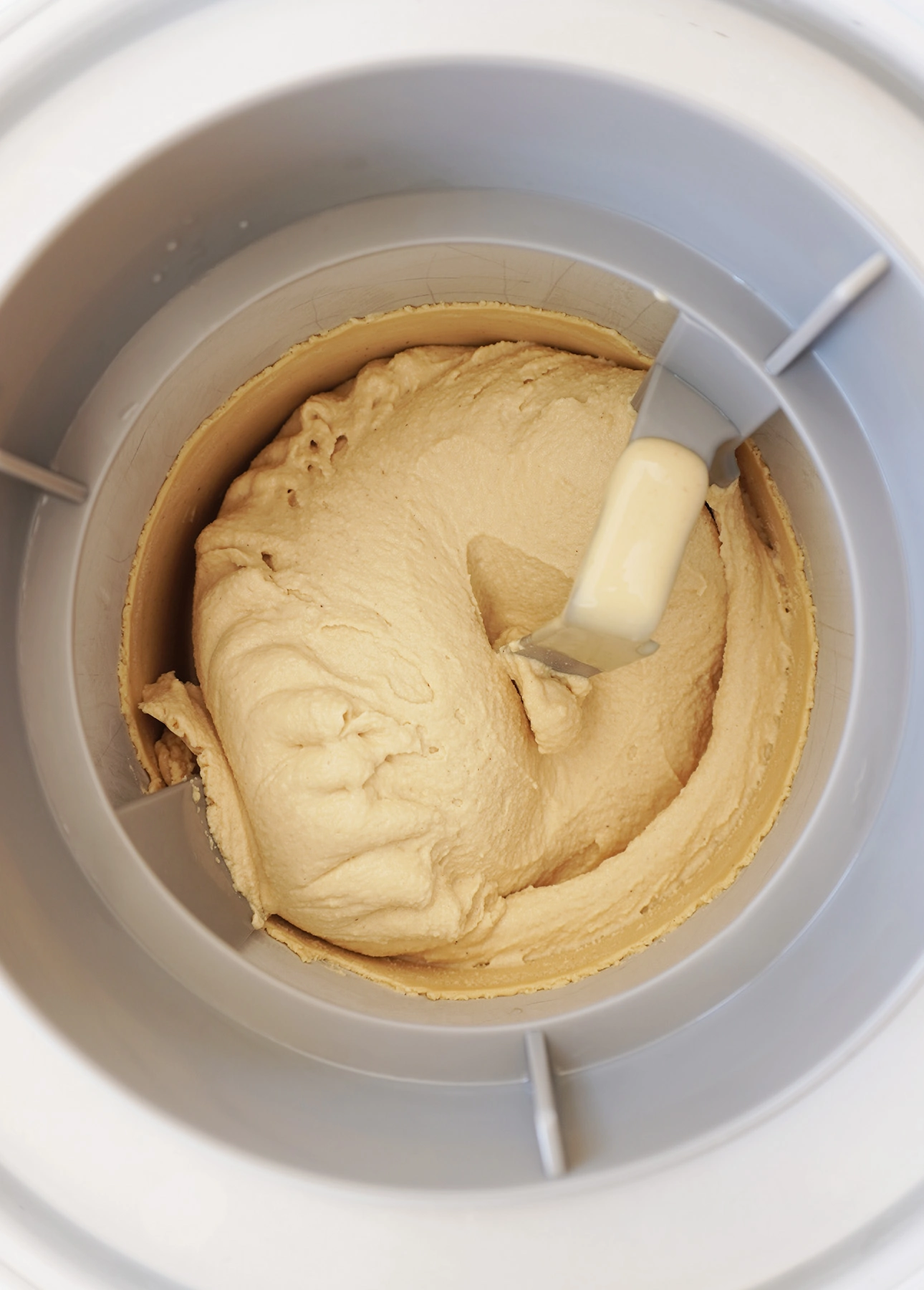
- Pour the chilled base into the bowl of an ice cream maker and churn according to the manufacturer’s instructions. Stop the machine when the salted caramel gelato is thick and icy but still easily spoonable.
- Transfer the gelato to an airtight container and freeze until firm, about 2 hours.
- STORAGE: Homemade salted caramel gelato is at its creamiest and best if enjoyed within 2 weeks. Past that, some ice crystals will inevitably start forming (especially if the gelato is kept in the freezer section of a regular fridge, as opposed to a chest freezer) and the texture won't be quite as smooth. The gelato will still be perfectly edible for up to 2 months, but my advice is: enjoy it as quickly as possible after churning.
- SERVING: Always take salted caramel gelato out to room temperature 15 to 20 minutes before serving to make it easier to scoop. This will also allow you to enjoy it at its ideal temperature and texture.
- MAKE IT VEGAN: Get my recipe and instructions for making vegan gelato.
Video
Did you make this?
Tell me how you liked it! Leave a comment or take a picture and tag it with @foodnouveau on Instagram.
This site participates in the Amazon Associates Program, an affiliate advertising program designed to provide a means for the site to earn fees by linking to Amazon and affiliated sites. If you click on an affiliate link, I may earn advertising or referral fees if you purchase through such links at no extra cost to you. This helps me create new content for the blog–so thank you! Learn more about advertising on this site by reading my Disclosure Policy.
Author: Marie Asselin
WHAT DID YOU THINK OF THIS RECIPE?
Rate + Review