- V
- GF
- NS
- DF
- View Recipe Key
Homemade Lemon Gelato
Homemade Lemon Gelato

This refreshing lemon gelato rippled with lemon curd offers a zesty kick, mellowed by an incredible creaminess. Dairy-free and vegan options included!

This post contains affiliate links. Full disclosure is at the bottom of the article.
Calling all citrus enthusiasts! I’ve been obsessed with all things lemon and sharing gelato recipes for years, and it’s a wonder my site hasn’t featured a lemon gelato recipe until now. I’ve been making it for ages—it’s my son’s favorite flavor (believe it or not, he prefers it over chocolate, pistachio, and cherry!). Finally, I’m thrilled to share this recipe with you.
As you know, Italy knows a thing or two about gelato, and lemon is a perennial favorite. I’ve savored lemon gelato all across Italy, but none compare to those scoopfuls enjoyed along the Amalfi coast. Home to the king of lemons (in my humble opinion!), the Amalfi lemon, it’s no surprise this region produces some of Italy’s finest lemon treats. During a trip with friends a few years ago, I visited an Amalfi lemon farm that I still dream about: Trees so heavy with fruit they need to be supported! Lemons as large as my hand! Landscapes that moved me to tears!
A lemon farm in Amalfi, Italy

Whether or not you can visit the Amalfi coast, you can capture its essence with my Lemon Gelato. I’ve poured all my love for lemon into this recipe, aiming to recreate the best I tasted along those stunning cliffs.
To whip up this Italian classic at home, start with the best lemons you can find. While Amalfi lemons are hard to come by outside Italy, I recommend using organic lemons for their superior flavor, as well as their lack of pesticide residues and wax. Organic lemons are also most aromatic, which enhances this gelato’s aroma and taste.
A crate full of freshly picked lemons in Amalfi, Italy

I prefer using my Sicilian-Style Gelato Base for its rich, silky texture—a perfect match for the zesty lemon flavor. To make it, you begin by gently heating milk, cream, and lemon zest to infuse the flavors. Meanwhile, you mix sugar and cornstarch to add sweetness and ensure a smooth finish. Adding an egg yolk enriches the custard, giving the gelato a cozy richness. Finish by whisking in a full 3/4 cup of freshly squeezed lemon juice—never settle for bottled!
After letting the lemony custard cool, it’s time for the grand finale: churning lemon gelato into velvety perfection using your ice cream maker. After churning (and eating a spoonful or three straight from the machine!) you can take it up a zesty notch by layering the lemon gelato with lemon curd. That swirl of tangy goodness will have your lemon-loving taste buds singing!

Pro tip: For optimal creaminess, enjoy within two weeks. Though it’ll still delight beyond that, watch out for sneaky ice crystals that will inevitably form, especially if you store lemon gelato in the freezer section of a regular fridge, as opposed to a chest freezer. Serve slightly softened for the perfect scoopable texture—because a gelato this good deserves to be savored in every spoonful!
Whether cooling off on a hot day or capping off a cozy dinner, this Lemon Gelato promises to be your new favorite treat. It’s a taste of Italy’s zest for life—refreshing, delightful, and always ready to brighten your day. So grab a spoon and indulge in a spoonful of dolce vita at home!

Plan Ahead
As with all gelato flavors, you should start the lemon gelato-making process a day in advance. The gelato base needs to be refrigerated to cool completely before being churned. A very cold custard ensures the smoothest, silkiest texture.
If you choose to ripple the lemon gelato with lemon curd (strongly recommended!), preparing the lemon curd a day ahead is ideal. This allows the curd to cool completely before you swirl it into the gelato.
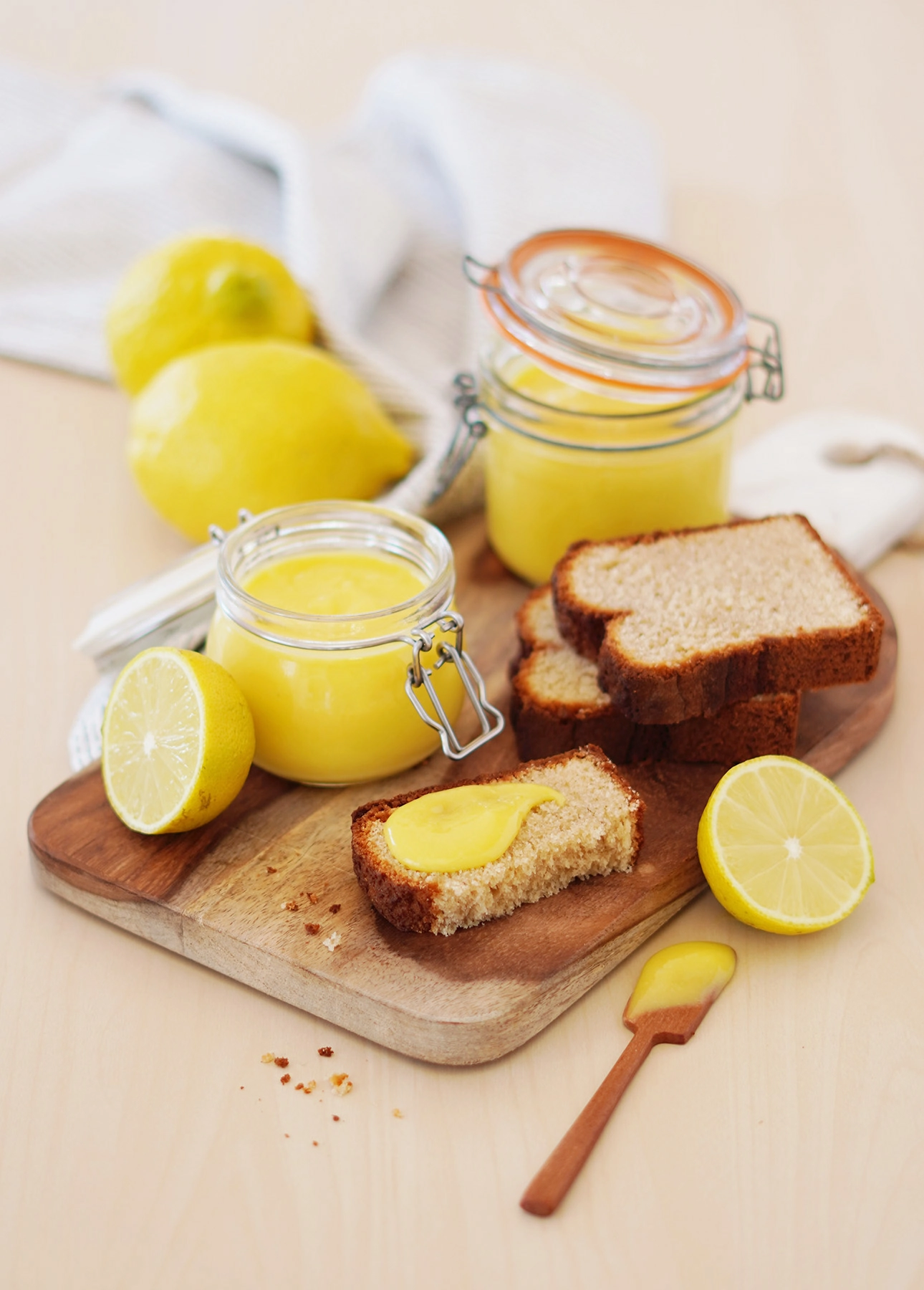
Use Organic Lemons
Lemon Gelato uses a healthy amount of lemon juice and zest, so if there were ever a recipe to justify investing in organic lemons, this is it. Unwaxed organic lemons are the best pick for this recipe, but be aware that not all organic lemons are unwaxed. In any case, all lemons should be thoroughly washed before you use their zest, so if you use waxed organic fruits or regular lemons, make sure to scrub them extra-vigorously under running water to remove that wax and any chemicals that may have been used to treat the lemons.
A gigantic Amalfi lemon.

Experiment with Different Lemon Varieties
Amalfi lemons are rare outside Italy, but experimenting with other varieties like Meyer lemons can yield delicious results. Meyer lemons, available roughly from November to March, are sweeter with a floral aroma. You can mix zest and juice from regular and Meyer lemons or use only Meyer lemons for a sweeter, less tangy gelato—a favorite among many.

Use a Microplane to Zest the Lemons
Lemon zest plays a central role in this lemon gelato recipe, imparting a vibrant lemon aroma. I strongly recommend using a microplane to zest not only lemons but all citrus fruits. The inexpensive but extremely durable tool allows you to zest the colorful outer skin of the fruit effortlessly, leaving all bitter white pith behind and maximizing flavor extraction from the fruit’s colorful outer skin.
About the Gelato Base Used in this Recipe
To make lemon gelato, I like to use a Sicilian-style gelato base, which uses cornstarch instead of egg yolks as a thickening agent. This is my favorite gelato base and I think its silky texture complements the zesty lemon flavor perfectly. Learn all about Sicilian-style gelato.
VIDEO: Watch how Sicilian-style gelato is made
If you prefer, you can also make this lemon gelato using my classic gelato base, which uses more egg yolks as a thickening agent. To make lemon gelato using my classic gelato base, simply make the custard as indicated, then mix in the lemon zest and juice while the custard is still hot. Let it cool to room temperature, then refrigerate overnight and churn as instructed in the recipe below.

How to Make Vegan Lemon Gelato
For the best vegan gelato flavor and texture, I recommend combining oat milk with coconut cream. Oat milk has a smooth, subtle flavor that is very close to that of dairy milk, whereas coconut cream delivers an unbelievably rich texture. Coconut milk and coconut cream both have quite a strong flavor, so using only coconut cream and combining it with oat milk creates the perfect balance.
Having said that, here’s how to substitute the original ingredients to make a vegan version of this lemon gelato:
- Replace the full quantity of cow’s milk (2 1/4 cups / 560 ml) with oat milk
- Replace the full quantity of heavy cream (3/4 cup / 180 ml) with coconut cream, soy cream, or vegan heavy cream substitute
Be aware that the terms “coconut milk” and “coconut cream” are sometimes used interchangeably. To make sure you’re buying real coconut cream, choose a product with at least 20% fat content. The label of quality coconut cream products will always clearly indicate the fat content.
Read my detailed guide about making delicious vegan gelato to learn all my tips and discover even more ingredient substitution ideas.

How to Serve Lemon Gelato
Last but not least, here’s an important serving tip. Because home freezers are set to very low temperatures, always take lemon gelato out of the freezer 10 to 15 minutes before serving it. That will not only make it easier to serve—gelato’s lower fat content means it freezes rock hard—but also soften it to a consistency closer to what you would enjoy at a gelati bar, waking up the flavors and giving it the luxurious texture that is so easy to fall in love with.

Additional Ressource: A Guide to Making Italian Ice Cream at Home
If you’ve never made gelato before, don’t miss my detailed guide to making Italian ice cream at home. The guide contains ALL the information and tips I’ve gathered through 20 years of gelato-making. You’ll learn what sets gelato apart from American-style ice cream, the difference between a classic gelato base and a Sicilian-style gelato base, why you do need an ice cream maker to make the best Italian ice cream, and get access all of my colorful gelato recipes in a single spot. Happy churning!

Video Masterclass
If you enjoy watching cooking classes, don’t miss my free gelato video masterclass! In it, you’ll find out what makes gelato different from ice cream, how to make a versatile gelato base you can turn into various flavors, and all my secrets and tips to churn and serve outstanding gelato. You’ll even learn how to make dairy-free, vegan gelato! In short, it’s a comprehensive, colorful class that will quickly turn you into a gelato master. Watch Now!

Homemade Lemon Gelato Recipe
Ingredients
- 2 cups milk, preferably whole (3.25% m.f.) or partly skimmed (2% m.f.)
- 1 cup heavy cream (35% m.f.)
- finely grated zest from 2 lemons
- 1 cup granulated sugar
- 2 tbsp cornstarch
- 1 large egg yolk, or ½ tablespoon (4 g) extra cornstarch
- ¾ cup freshly squeezed lemon juice (about 3 lemons)
- 1 batch No-Butter Lemon Curd (optional)
Instructions
- In a medium saucepan, pour 1 cup (250 ml) of the milk, all of the cream, and the lemon zest. Warm over medium heat until it just starts to bubble around the edge (no need to bring it to a boil).
- Meanwhile, in a small bowl, whisk the remaining 1 cup (250 ml) milk, sugar, and cornstarch together. Remove the saucepan with the hot milk from the heat and whisk in the cornstarch mixture. Return the saucepan to medium heat and cook, stirring regularly, until the sugar is dissolved, and the mixture thickens slightly, 6 to 8 minutes.
- Place the egg yolk in a medium bowl and whisk until pale and thickened, about 30 seconds. Temper the egg yolk by slowly pouring one ladleful of the hot milk mixture into the yolk, whisking constantly, then slowly pour the egg yolk mixture back into the saucepan, whisking to combine. Return to medium heat and cook, whisking constantly, for 1 minute more.
- Remove from the heat. Whisk in the freshly squeezed lemon juice. Cover the saucepan and let cool to room temperature.
- Once the lemon gelato custard is at room temperature, pour into an airtight container. Refrigerate for at least 6 hours, or preferably overnight. The lemon gelato base must be very cold before churning: this will produce the smoothest, silkiest texture.
- Strain the lemon gelato custard through a fine mesh strainer and discard the lemon zest.
- Pour the lemon gelato custard into the bowl of an ice cream maker and churn according to the manufacturer's instructions. Stop the machine when the lemon gelato is thick and icy but still easily spoonable.
- IF USING LEMON CURD: Spread one-third of the lemon gelato over the bottom of a storage container (I like to use a loaf bread pan to maximise the swirling effect). Cover with ½ cup (125 ml) of the lemon curd and use a knife to swirl it into the gelato. Cover another third of the lemon gelato, then another ½ cup (125 ml) of the lemon curd, swirling again. Finish with the remaining lemon gelato, spreading it to cover the lemon curd.
- OTHERWISE, simply transfer the lemon gelato to an airtight container and freeze until firm, about two hours.
- STORAGE: Lemon gelato is at its creamiest and best if enjoyed within 2 weeks. Past that, some ice crystals will inevitably start forming (especially if the gelato is kept in the freezer section of a regular fridge, as opposed to a chest freezer) and the texture won't be quite as smooth. The lemon gelato will still be perfectly edible for up to 2 months, but my advice is to enjoy it as quickly as possible after churning.
- SERVING: Always take lemon gelato out to room temperature 20 minutes before serving to make it easier to scoop. This will also allow you to enjoy the treat at its ideal temperature and texture.
- MAKE IT VEGAN: Substitute oat milk for the regular milk, and soy or coconut cream for the regular heavy cream. Get more tips for making vegan gelato.
Video
Did you make this?
Tell me how you liked it! Leave a comment or take a picture and tag it with @foodnouveau on Instagram.
More Gelato Recipes
Browse through all my gelato recipes for inspiration! You’re sure to find a new favorite.
- Dark Chocolate
- Milk Chocolate and Hazelnut
- Pistachio
- Orange Almond
- Coffee
- Maple
- Blueberry
- Raspberry Rose
- Cherry
- White Chocolate and Strawberry with Basil
- Fresh Peach
- Mango and Passion Fruit
- Rhubarb
- Sweet Corn
Disclosure Notice: This site participates in the Amazon Associates Program, an affiliate advertising program designed to provide a means for the site to earn fees by linking to Amazon and affiliated sites.
If you click on an affiliate link, I may earn advertising or referral fees if you make a purchase through such links, at no extra cost to you. This helps me create new content for the blog, so thank you! Learn more about advertising on this site by reading my Disclosure Policy.
Author: Marie Asselin
My lemon gelato tastes like metal. It tasted very good while it was still warm. This morning I tasted it and it tastes like metal. I thought maybe it would be better after it was frozen so I still put it in my ice cream maker but it is not edible. What happened?
I’m sorry that happened! Lemon’s acid often develops a metallic taste if it sits in aluminum, unlined copper, or scratched non-stick cookware. Make the custard in stainless or enamel, then whisk in the juice after the mix comes off the heat and cools slightly. Chill it in glass or plastic, then churn and store in glass or plastic. Your gelato should stay bright and citrusy!
I did everything the recipe says. The texture was wonderful but it had a bad aftertaste. Tastes kind of metallic. I think the lemon juice made the milk and cream curdle.
The “metallic” note is almost always a reaction between lemon acid and reactive cookware, not curdling—the custard’s sugar and eggs keep the milk and cream stable. Next time, make sure to cook in stainless or enamel, then whisk in the lemon juice once the base is off the heat and has cooled to lukewarm. Chill the custard in glass or plastic, then churn and also freeze in glass or plastic. These tips should preserve the bright, clean lemon flavor you’re after.
I can’t wait to try this recipe! I grew up loving lemon custard ice cream, and I haven’t had it in so long.
I think you will find the same delicious creamy, zestiness you love in this gelato Ashley. I hope you’ll give it a try!
Considering how creamy this gelato is, I was surprised and impressed to see that it was vegan as well. Looks pretty tasty.
It’s so easy to make vegan substitutions in gelato recipes!
A truly wonderful gelato recipe. We made it on Saturday and enjoyed it on Sunday in our garden. So good! I would love to make more flavors like strawberry, for example. We didn’t use the lemon curd, but we will do it for the next batch.
I hope you’ll give my other gelato recipes a try, Jenny 😍
We loved the Amalfi goast, and the lemons there are definitely king. We remember roaming the streets of Positano and getting these whisperer of aromatic lemon, absolutely beautiful! 😍 You gelato looks incredible, creamy, a little zing from the lemon curd, so refreshing and luxurioys at the same time! Well done! 😋 👍 ❤️
Thank you so much guys! Your feedback always means so much to me ❤️
This lemon gelato was just heavenly. So rich and creamy and flavorful. I will most definitely be making this recipe again and again.
This lemon gelato is on heavy rotation at my house! If I listened to my son, I’d never make any other flavor again 🫣
This is an excellent dessert in the summer! Next time I will try your vegan version as my daughter is dairy free.
You’re gonna love the vegan version of this gelato! It’s just as creamy and delicious as the regular version.
This has the perfect amount of lemon flavor. The gelato turns out rich and creamy. It is lovely.
Thank you, happy you loved it!
Oh my gosh, I love this recipe. This is so simple, delicious, refreshing, and so easy to make!
Thanks for the feedback Amy!