- V
- GF
- NS
- DF
- View Recipe Key
How to Make Vegan Gelato
How to Make Vegan Gelato

Vegan gelato made easy! Explore the best plant-based options (coconut, oat, soy) and get tips for perfect texture and flavor in this ultimate guide.

This post contains affiliate links. Full disclosure is at the bottom of the article.
If you’re dreaming of luxurious, intensely flavored vegan gelato, you’ve landed in the right place! I’m a firm believer that anyone can churn outstanding Italian-style gelato right in their own kitchen. And trust me, choosing a dairy-free or vegan path doesn’t mean resigning yourself to just sorbet forever. I love a good sorbet too, but let’s be honest–is there anything quite as satisfying as that rich, creamy texture of real gelato?
I think I’ve probably hundreds of pints over the years, and quite often, I deliberately make it vegan. Part of that is because I’m lactose-intolerant (so vegan gelato is kinder to my tummy!), but also, I really do think that some flavors just sing when made with this vegan gelato base.
So, I’m genuinely thrilled to share my tried-and-true base recipe for whipping up truly exceptional vegan gelato. Stick with me and I’ll walk you through the surprisingly simple steps to get those scoop-shop worthy results at home, completely dairy-free.
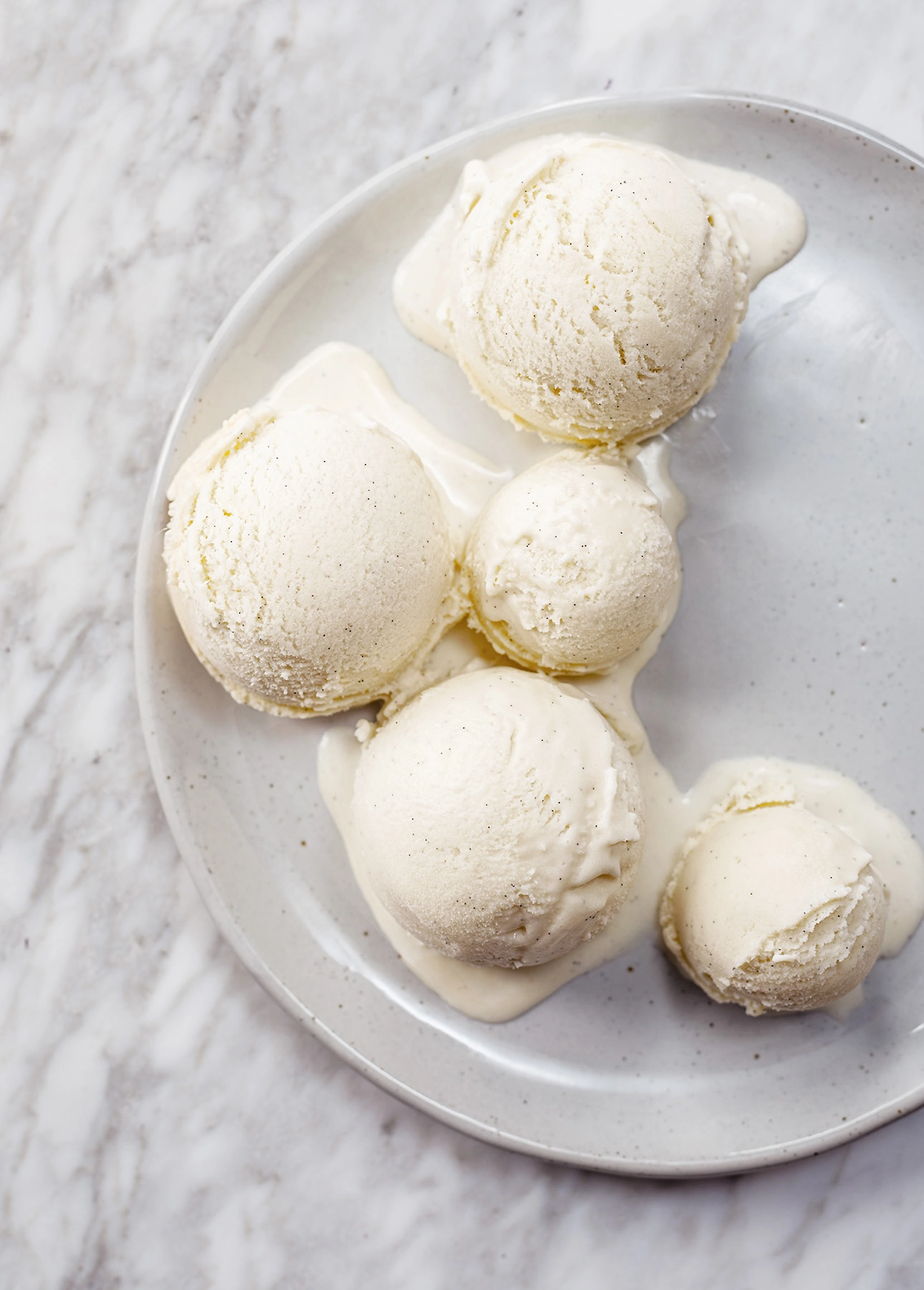
What Is Gelato, and What Makes it Different from Ice Cream?
Ever wondered why Italian gelato often seems bursting with so much more flavor than typical ice cream? While they’re both delicious frozen treats, a few key tweaks in how they’re made create totally different results.
Real-deal gelato usually has significantly less fat than American-style ice cream because it relies more on milk than heavy cream. Sounds counterintuitive, right? But less fat means the core flavors–your fruit, nuts, chocolate–can pop, tasting brighter and more direct.
Gelato is also churned much, much slower. This means less air gets whipped in, giving you that famously dense, smooth texture where every spoonful feels packed with flavor.
Lastly, gelato hits your spoon slightly warmer than ice cream. This isn’t a mistake! It enhances that signature silky mouthfeel and, crucially, lets you taste everything more intensely because your taste buds aren’t quite so numb from the cold.
You can explore these differences in way more detail in my comprehensive guide on How to Make Gelato.

The Best Plant-Based Milk and Cream Substitutes to Use in Vegan Gelato
So which plant-based ingredients should you use to make vegan gelato? This is the central question for getting that dreamy texture. While full-fat coconut milk is often my first pick for sheer richness (more on that below!), different milks bring different things to the party, especially if you’re looking for a more neutral background for softer flavors.
Whatever plant-based milk you choose, always select an unflavored, unsweetened variety to let your gelato flavors shine.

Here are pros and cons for the most common plant-based milk and cream substitutes, based on my own kitchen experiments:
- Pros: Pretty neutral taste lets other flavors shine through; that protein content doesn’t hurt texture-wise either.
- Cons: Some brands do have a faint ‘beany’ note, which can affect the flavor of your vegan gelato.
Almond Milk
Note: The same pros and cons apply to other nut-based milk alternatives, such as hazelnut or pistachio.
- Pros: Easy to find everywhere, offers a very mild, nutty vibe if you get the unsweetened kind.
- Cons: Almond milk is naturally low in fat and protein. This often means your gelato will have an icy instead of a creamy texture. If you choose almond milk, you definitely need to combine it with a plant-based cream for richness.
- Pros: Gives you a wonderfully creamy feel right off the bat (go for ‘barista’ and high-fat varieties for the richest mouthfeel) and its neutral taste is perfect for delicate flavors like vanilla or pistachio.
- Cons: The fat content is all over the map depending on the brand, so plan on pairing it with a cream element to achieve that authentic gelato richness.
- Pros: That high natural fat content is magic to create an incredibly rich, creamy base that behaves beautifully during churning and freezing.
- Cons: Let’s be real: that coconut flavor plays a central role, so choose your pairings wisely! Also, coconut milk freezes rock solid, making that pre-serving tempering step non-negotiable.
Now, for that really decadent, smooth gelato texture, especially if you started with a lower-fat milk like almond or standard oat, adding a good plant-based cream is usually my secret weapon.
You’ve got options! Think rich soy cream, thick coconut cream (the solid stuff from a chilled can work, or look for high-fat marketed versions), DIY cashew cream, or those specially formulated vegan heavy cream substitutes. They bring the crucial fat needed for that luxurious scoopability.
My final advice? Don’t be afraid to mix and match depending on the flavor you’re aiming for.
Why I Often Start with Coconut Milk
When I first tackled creating a solid vegan gelato base, I naturally went back to my trusted Sicilian-Style Gelato Base recipe and then… went deep down the rabbit hole of testing. I tried cashew cream for richness, oat milk for neutrality–you name it. But nothing quite hit that sweet spot for luxurious texture and freezing behavior like good old full-fat coconut milk. Its high-fat content is brilliant at mimicking traditional dairy cream, and it churns up incredibly rich and freezes like a dream (mostly!).

Not All Coconut Milk Products Are Created Equal
For that truly authentic, super-creamy gelato texture using this method, using regular (full-fat) coconut milk is non-negotiable in my book. Trust me on this: using ‘light’ coconut milk just leads to icy disappointment because of all that extra water.
So, when you’re grabbing a can at the store, flip it over and check the label: I always aim for brands listing at least 60% coconut extract. That percentage signals higher fat and solids–basically, the secret sauce for that dense, smooth texture we’re all chasing.

You might see ‘coconut cream’ on labels too. Sometimes that just means the thick stuff that separates in the can, other times it’s a product made with even more fat. To make my vegan gelato base, your standard canned full-fat coconut milk hitting that 60%+ mark is perfect. Don’t worry if you see things like guar gum on the ingredient list; those small amounts of stabilizers are common and can actually help achieve a smoother final product.
Pairing Flavors with Coconut’s Personality
My coconut milk-based vegan gelato base is incredibly versatile–think of it as a delicious blank canvas. But let’s be clear, coconut milk has its own definite personality. I find it plays best with bold flavors–ones strong enough to hold their own or those that just naturally pair well with it, like deep chocolate or super vibrant fruits.
That natural acidity you get in many fruits is a fantastic counterpoint, slicing right through the richness of the coconut milk. It’s why my Lemon Gelato works so well–that tart lemon zing against the rich coconut is just chef’s kiss. Tropical fruits are practically a guaranteed win too, and my Passion Fruit Mango Gelato is proof.

While a vanilla-flavored vegan gelato sounds lovely (and it can be!), just know that the coconut notes will come through quite clearly alongside delicate vanilla. The same goes for other subtle flavors–think pistachio, almond, and hazelnut. If you are aiming for those whisper-soft flavors, I’d probably steer you towards a different base combination. Check out my thoughts on that below.
Exploring Other Dairy-Free Bases for Delicate Gelato Flavors
While I truly adore the richness and convenience coconut milk brings, I recognize its distinct flavor isn’t always the right partner, especially when you want something like vanilla bean or a delicate nut flavor to really be the star.
For these delicate vegan gelato flavors, playing with other plant-based options can lead to some stunning results. My current favorite combo for this? A blend of oat milk–seeking out those barista-style or higher-fat versions makes a difference–paired with a good quality soy cream. This pairing can get you that wonderfully neutral yet creamy foundation that doesn’t shout ‘coconut!’ The oat milk lays down that smooth base without hogging the spotlight, while the soy cream brings the necessary fat for that perfect gelato texture.
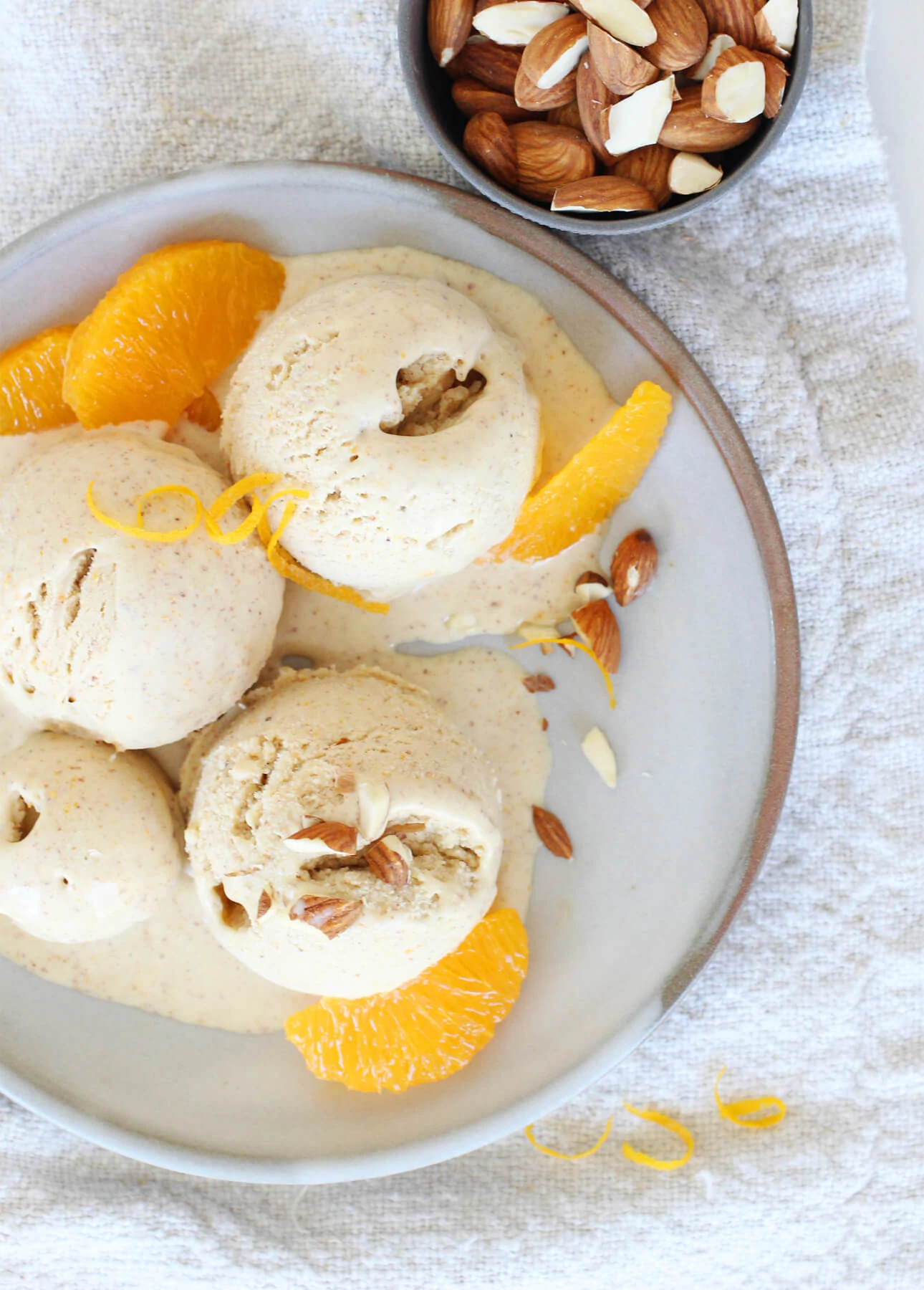
Full disclosure: getting it perfect with non-coconut bases can take a bit more fiddling. The fat, protein, and even the stabilizers differ wildly between brands, so you might need to tweak ratios or sweetness a bit to nail that scoopable dream. But hitting that perfect note with a delicate flavor? So worth the extra effort!
The Secret to Serving Scoopable Vegan Gelato
One key thing about authentic gelato is that it’s served a bit warmer than typical American ice cream. This simple trick enhances its signature creamy texture and lets all those intricate flavors truly sing. This step is super critical for our Vegan Gelato. Why? Because coconut milk, thanks to its fat structure and water content, tends to freeze much harder than dairy gelato. Pulling it out of the freezer 15 to 20 minutes before serving is absolutely essential–please, don’t skip this!
What you’re looking for is gelato that’s become easily scoopable, maybe the edges are just starting to look a little soft, but definitely not melted. How long this takes can vary a bit depending on how cold your freezer is and how warm your kitchen feels, so just keep an eye on it. Trust me, this small pause makes all the difference between wrestling with a rock-hard block and gliding your scoop through a perfectly creamy delight.

The Best Flavor Combinations for Vegan Gelato
Here are my favorite flavors to make with a vegan gelato base. To make any gelato vegan, substitute the gelato base indicated in the recipe with my vegan gelato base.
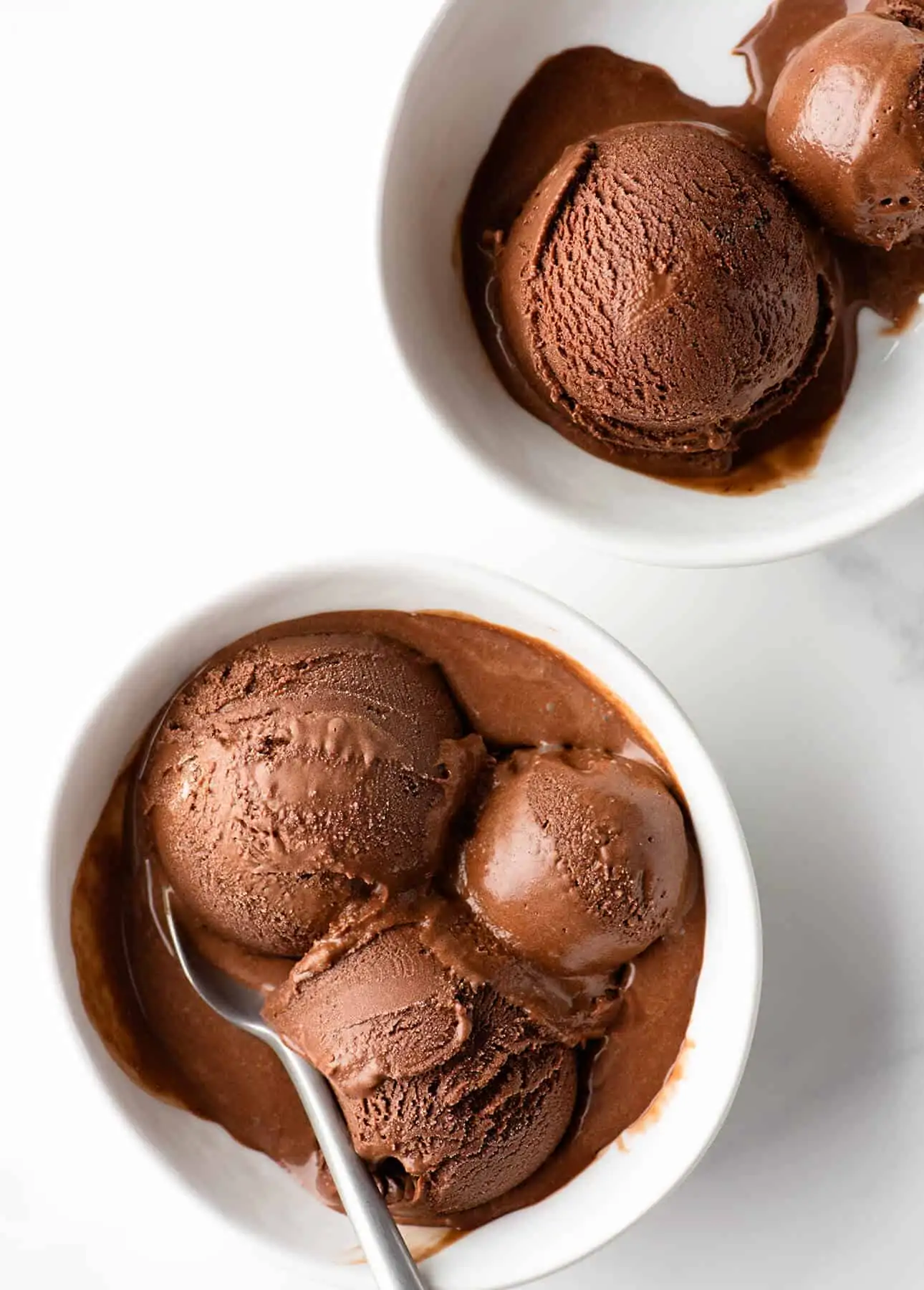
Additional Ressource: A Guide to Making Italian Ice Cream at Home
If you’ve never made gelato before, don’t miss my detailed guide to making Italian ice cream at home. The guide contains ALL the information and tips I’ve gathered through 20 years of gelato-making. You’ll learn what sets gelato apart from American-style ice cream, the difference between a classic gelato base and a Sicilian-style gelato base, why you do need an ice cream maker to make the best Italian ice cream, and get access to all of my colorful gelato recipes in a single spot. Happy churning!

Video Masterclass
If you enjoy watching cooking classes, don’t miss my free gelato video masterclass! In it, you’ll find out what makes gelato different from ice cream, how to make a versatile gelato base you can turn into various flavors, and all my secrets and tips to churn and serve outstanding gelato. You’ll even learn how to make dairy-free, vegan gelato! In short, it’s a comprehensive, colorful class that will quickly turn you into a gelato master. Watch Now!

Vegan Gelato Base Recipe
Ingredients
- 3 cups unsweetened full-fat (regular) coconut milk (at least 60% coconut extract), or see note for alternate plant-based options
- ¾ cup granulated sugar
- 2 tbsp cornstarch
Instructions
- In a medium saucepan, whisk together the coconut milk, sugar, and cornstarch. Set over medium-high heat and bring to a boil, whisking constantly. Lower the heat and simmer until the mixture thickens slightly, about 5 minutes.
- Remove from the heat. Let cool to room temperature, then refrigerate for 4 hours, or preferably overnight.The vegan gelato base must be thoroughly cool before churning: this will produce the smoothest, silkiest texture.
- Once cool, whisk in the fruit puree or flavorings of your choice into the vegan gelato base. You need 2 cups (500 ml) of concentrated fruit puree to produce a flavorful fruit-based vegan gelato.
- Strain the vegan gelato to get the smoothest texture. Pour into the bowl of an ice cream maker and churn according to the manufacturer's instructions. Stop the machine when the gelato is thick and icy but still easily spoonable.
- STORAGE: Transfer the vegan gelato to an airtight container and freeze until firm, about two hours. The gelato will keep, frozen, for up to two weeks.Vegan gelato is at its creamiest and best if enjoyed within 2 weeks. Past that, some ice crystals will inevitably start forming (especially if the gelato is kept in the freezer section of a regular fridge, as opposed to a chest freezer) and the texture won't be quite as smooth. The gelato will still be perfectly edible for up to 2 months, but my advice is: enjoy is as quickly as possible after churning.
- SERVING: Always take vegan gelato out to room temperature 20 minutes before serving to make it easier to scoop and enjoy it at its ideal temperature and texture.
Video
Notes
- 2 cups (500 ml) oat milk (seek out barista-style or higher-fat versions)
- 1 cup (250 ml) good quality soy cream
Did you make this?
Tell me how you liked it! Leave a comment or take a picture and tag it with @foodnouveau on Instagram.
More Gelato Recipes
Browse through all my gelato recipes for inspiration! You’re sure to find a new favorite.
- Dark Chocolate
- Milk Chocolate and Hazelnut
- Orange Almond
- Coffee
- Lemon
- Maple
- Blueberry
- Raspberry Rose
- Cherry
- White Chocolate and Strawberry with Basil
- Fresh Peach
- Passion Fruit Mango
- Rhubarb
- Sweet Corn
This site participates in the Amazon Associates Program, an affiliate advertising program designed to provide a means for the site to earn fees by linking to Amazon and affiliated sites. If you click on an affiliate link, I may earn advertising or referral fees if you purchase through such links at no extra cost to you. This helps me create new content for the blog–so thank you! Learn more about advertising on this site by reading my Disclosure Policy.
Author: Marie Asselin
I’ve made this 4 times now, I use 1 can of Coconut Milk full fat with 1 can Coconut Cream, Arrowroot powder and Allulose (dairy and sugar free). Since being diagnosed with Celiac dz. I’ve noticed that processed food, some Lactose & sugar cause horrible stomach issues but not Coconut and not homemade. I bought organic Strawberries, blended them, strained them and then whisked them into the base, then I strained the mixture 1 more time before adding to my ice cream maker (I have the bowl attachment for a Kitchen Aid mixer). This creates a very creamy Gelato, when I didn’t strain it it was gritty and it affected the overall taste. I will probably make this once a month it’s so good!!! I’ve also used organic wild Blueberries – delicious! The Pistachio one didn’t get strained it wasn’t very good. I’ve learned, always strain it one last time for the creamy melt in your mouth effect that Gelato should have. I use Coconut because Soy is horrible for your body (I’m a Nurse) It will disrupt hormones and Oat anything is not good either it’s sprayed with Glysophate which is a poison, so avoid that if you don’t want to end up like me with Celiac (GLYSOPHATE was a major contributor!). Great Recipe!
Thanks for sharing all these tips Bridgitte, I’m sure they’ll be helpful to other gelato lovers!
I really would like to make this, but I am allergic to coconut. Is there any other nondairy cream/milk I may use.
Hello Geri! Yes, you can use many different other plant-based products instead of coconut milk. My favorite combination is 2 parts oat milk to 1 part soy cream, or vegan heavy cream substitute. Refer to my section about milk and cream substitutes for more info on all the options you can use!
I am blown away after a review of your website! Awesome! I’ve put off buying an ice cream maker but your gelato recipes and how they support my pre-diabetic status and my husband’s gluten free needs has opened me to considering one. The Cuisinart model you note in your posting is a bit pricey at $100 making 2 qts. There’s a Cuisinart ICE-21 at Amazon for $70 but is only 1.5 qt capacity.
Since gelato will not be my main meal…although that’s a pleasant thought.. can ALL your GELATO recipes be reduced to fit a 1.5 qt machine. I’m signing up for your cookbooks, emailed recipes…I’m your newest fan in Las Vegas, NV, USA
Hello Donna! Most of my recipes produce between 1 and 1.5 qt gelato. Fruit-based gelati produce a bigger batch because you combine fruit puree to the 1 qt gelato base, but you could absolutely use the Cuisinart ICE-21 1.5qt machine to churn the vast majority of my recipes! I’m so happy to see you here and I hope you’ll love making my gelato recipes. Please report back to let me know which one is your favorite!
can you advise what an alternative might be to cornstarch perhaps arrowroot. Have you ever tried an alternative yourself? I currently have a corn, rice and potato allergy so thickeners are limited for me. Hoping arrowroot will do the trick
Hey Donna, I’ve never used arrowroot so I can’t advise you on substituting it in my recipes. If you can usually swap cornstarch for arrowroot in other recipes, my bet would be that it would work here, too! If you ever give it a try, I’d love you to report back. Your experience will benefit others!
Wondering if you could add the one egg yolk in this recipe for a touch more richness like you did in the Sicilian style gelato version? I am not requiring vegan. Thanks in advance
Yes, you can add an egg yolk towards the end of the simmering time, just like you would in my Sicilian-style gelato. Make sure to warm up the egg yolk with a bit of hot liquid before you whisk it back into the saucepan, or you’ll end up with scrambled eggs! 😅
Could the vegan gelato base be used to make lemon geato? Any suggestions for additions (lemon juice, zest, sugar)?
P.S. No need to increase the sugar quantity if you like very lemony desserts, the gelato will taste similar to a lemon curd. If you want to tone down the tartness levels, you can increase the sugar to 1 cup.
Hi Maureen! You can absolutely use my vegan gelato base to make lemon gelato. After taking the gelato base off the heat, whisk in the finely grated zest from 2 lemons (using a Microplane to get the zest is best!) + 180 ml (3/4 cup) freshly squeezed lemon juice. Let cool completely, then refrigerate overnight. Strain the gelato, then churn! I hope this works out for you. Let me know how you like it!
This gelato looks amazing! Mango passionfruit sounds perfect for my son who loves all things tropical. I’ll have to try this and report back!
I’m sure he’s going to love this gelato! It’s so bright and refreshing, it’s one of my favorite treats to serve on super hot summer days.
This is a fantastic vegan gelato base , I added a strawberry puree and it was perfect. This recipe is so good EVERYONE will love it .
Thanks Debbie I’m happy the vegan gelato base worked out for you! Adding strawberry puree to it is a delicious idea!
First of all, it’s perfect for this summer season. It definitely looks so delicious, kid’s will love it instantly.
Thank for such a delicious, rich and creamy recipe. Need to try it for the weekend.