- V
- GF
- NS
- DF
- View Recipe Key
How to Make Gelato: A Guide to Making Italian Ice Cream at Home (VIDEO)
How to Make Gelato: A Guide to Making Italian Ice Cream at Home (VIDEO)

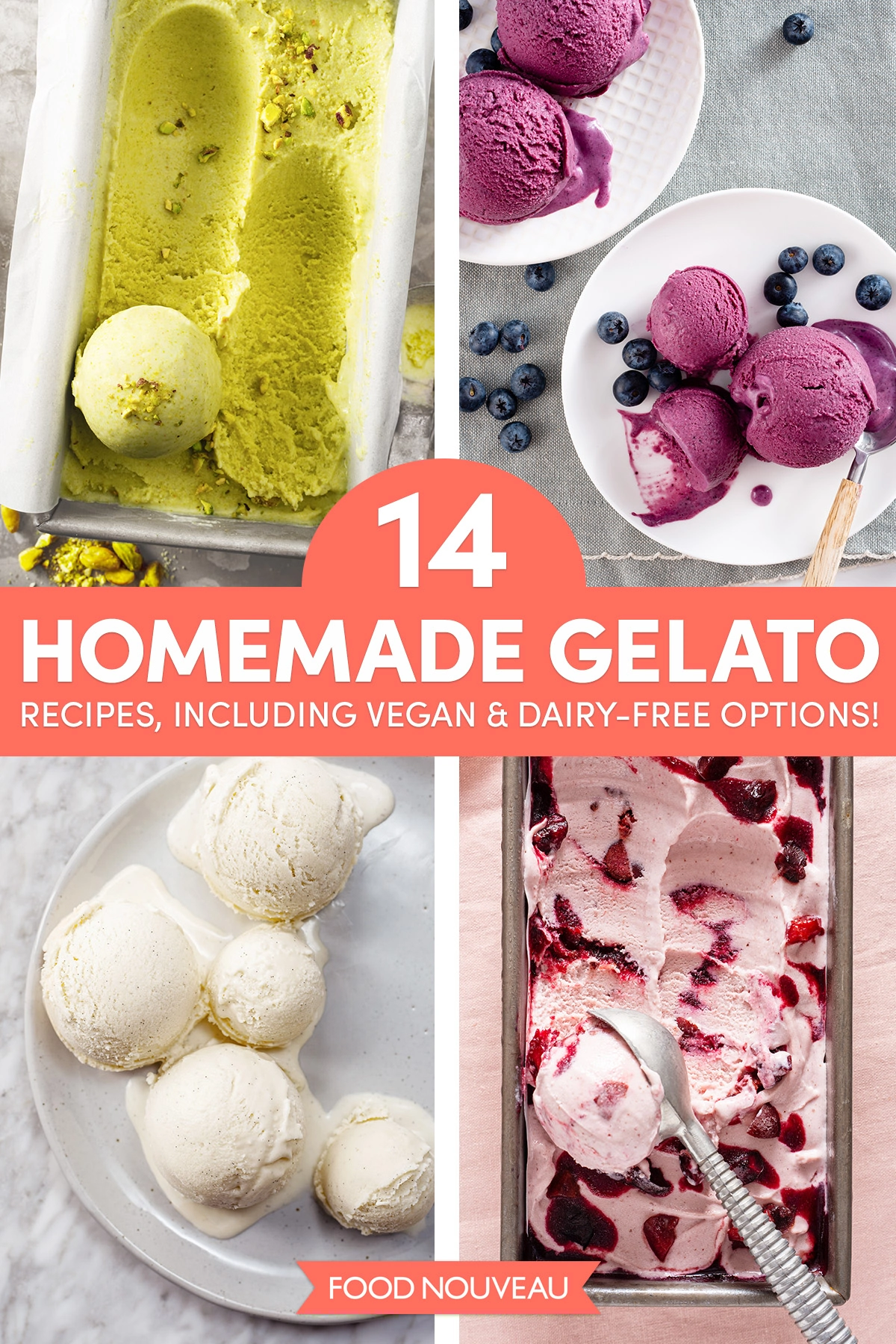
Learn how to make the creamiest gelato at home using step-by-step instructions and turn one easy base into a multitude of flavors. Video masterclass included!
This post contains affiliate links. Full disclosure is at the bottom of the article.
My fascination with learning how to make authentic gelato at home truly kicked off during my very first trip to Italy, almost two decades ago. Before heading there, I’d heard countless people raving about Italian ice cream—stories of unbelievable creaminess and intense flavors. Everyone seemed so taken by the memory of it! When I tried to figure out whether gelato was really different from American-style ice cream, I couldn’t get a straight answer, so I dug in and sampled gelato daily—sometimes twice a day!—for my entire trip. (Purely for research, of course.)

The flavor of gelato is strikingly intense and pure, its color bright, and its texture refreshingly clean—not too rich. During that first stay in Italy, I found myself drawn to fruit-based flavors, which tasted as powerfully fruity as sorbets but didn’t have the frothy egg-whitey texture.
Back home, I embarked on a deep dive into all things gelato, determined to discover what it is, how it’s made, and why it’s so irresistibly good. Over the years, I’ve gathered clever tips and tricks—and you’ll find them all here. Gear up to create the best Italian ice cream you’ll ever taste outside of Italy!
VIDEO: GELATO MASTERCLASS
Never made gelato before? Curious about what makes Italian ice cream so different from American-style ice cream? Check out my colorful video masterclass! In it, you’ll discover how to make a versatile gelato base you can turn into various flavors and all my secrets and tips to churn and serve outstanding gelato. I even show how to make the creamiest dairy-free, vegan gelato!
In short, it’s a comprehensive, colorful class that will quickly turn you into a gelato master. Watch Now!
What Makes Gelato Different from Ice Cream?
Ever wonder why authentic Italian gelato often bursts with more intense flavor and manages to feel silky-yet-light, compared to typical American ice cream? I was determined to find out after my first spoonful in Italy!
Though both are beloved frozen desserts, they aren’t identical. Gelato’s magic boils down to a few key distinctions in how it’s prepared and served:
- Less fat, bigger flavor: The biggest surprise for many? Real gelato actually contains substantially less fat than most American-style ice creams. Instead of heavy cream as the main ingredient, gelato uses primarily whole milk, plus a bit of cream—or sometimes, none at all. It also tends to use fewer egg yolks (though this can vary by region). Fat certainly adds richness, but it coats the palate and can dull flavors. Gelato’s lower fat content is precisely why its fruit, nut, or chocolate flavors taste so bright and clear.
- Denser texture: If you watch gelato being made in a shop, you’ll notice it’s churned much more slowly than ice cream. This slower churn means less air is whipped in (this is called the “overrun” by professional gelato and ice cream makers). Ice cream can contain as much as 50% air, giving it a lighter, fluffier feel. Gelato’s lower overrun (about 20-35%) yields its famously dense, smooth texture—less air means more concentrated flavor in each spoonful.
- Served warmer for optimal silkiness: It might sound odd, but gelato is stored and served at a slightly higher temperature than standard ice cream—around 5 to 10°F (-12 to -15°C), rather than below 0°F (-18°C). This isn’t accidental! Being a bit warmer keeps gelato soft and silky, so it melts luxuriously on your tongue. And since your taste buds aren’t numbed by extreme cold, you experience its flavors more intensely.
Choosing Your Base: Classic vs. Sicilian
First things first: you’ll need the right recipe. There is no single “official” formula for Italian ice cream; each region puts its own spin on it (and fiercely debates whose version is best!). The chosen ingredients also vary by flavor—some fruit-based varieties contain little or no dairy.

While perfecting my gelato bases, I focused on creating two versatile recipes you can adapt for all sorts of flavors, from chocolate and pistachio to lemon and blueberries:
- Classic Gelato Base: Made with an egg yolk-rich custard, this version delivers a delightfully creamy mouthfeel. Its soft, pale-yellow hue is reminiscent of a classic French ice cream. Steep it with a split vanilla bean, and you’ll have an amazing vanilla gelato once churned. I rely on this classic base for richer flavors like chocolate or nut-based gelatos. Below, you’ll find my go-to recipe for the classic base.
- Sicilian-Style Gelato Base: This method, popular in Sicily, uses cornstarch instead of egg yolks as a thickener. The result is a bright white gelato with a smooth, almost velvety texture. In my experience, Sicilian gelato is fantastic for showcasing vibrant fruit flavors because it really lets the fruit shine. Head over to my in-depth look at Sicilian-Style Gelato to learn more.
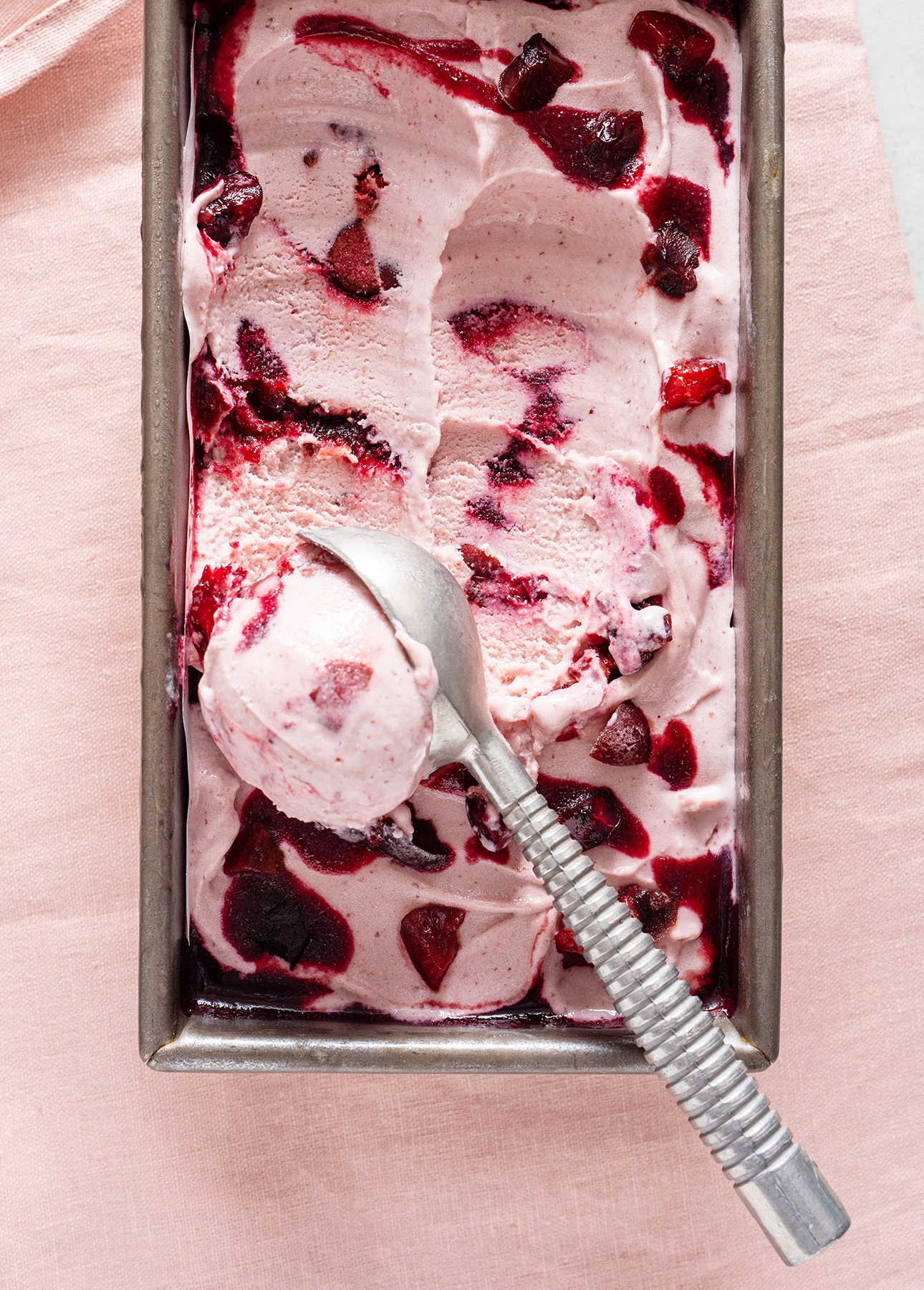
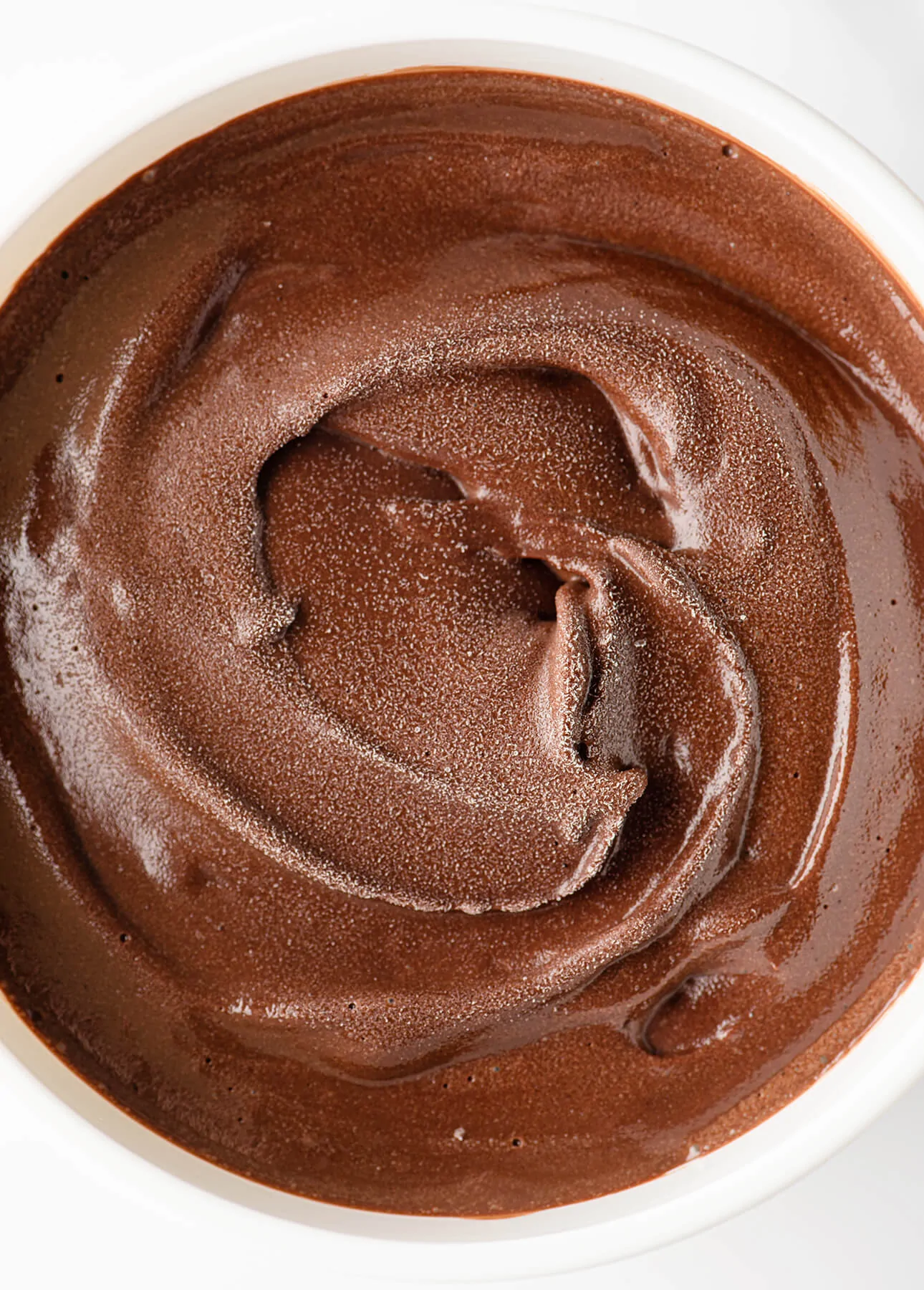
Pictured below, at the top: Classic Gelato Base
Bottom: Sicilian-Style Gelato Base

VIDEO: Watch how Sicilian-Style Gelato is made:
Making Creamy, Dreamy Vegan Gelato
Think you have to sacrifice that authentic Italian ice cream texture if you’re eating vegan or avoiding dairy? Think again! I’ve dedicated serious time to creating a fully plant-based gelato base that’s surprisingly creamy and indulgent—no icy or bland results here. By using a smart blend of non-dairy milks, healthy fats, and natural stabilizers, my vegan gelato closely rivals the real thing.
This vegan base can stand in for the classic or Sicilian-style recipes, unlocking a world of flavors. For all the details on why it works so well, check out my post on How to Make Vegan Gelato, which includes a can’t-miss Mango and Passion Fruit version to get you started.
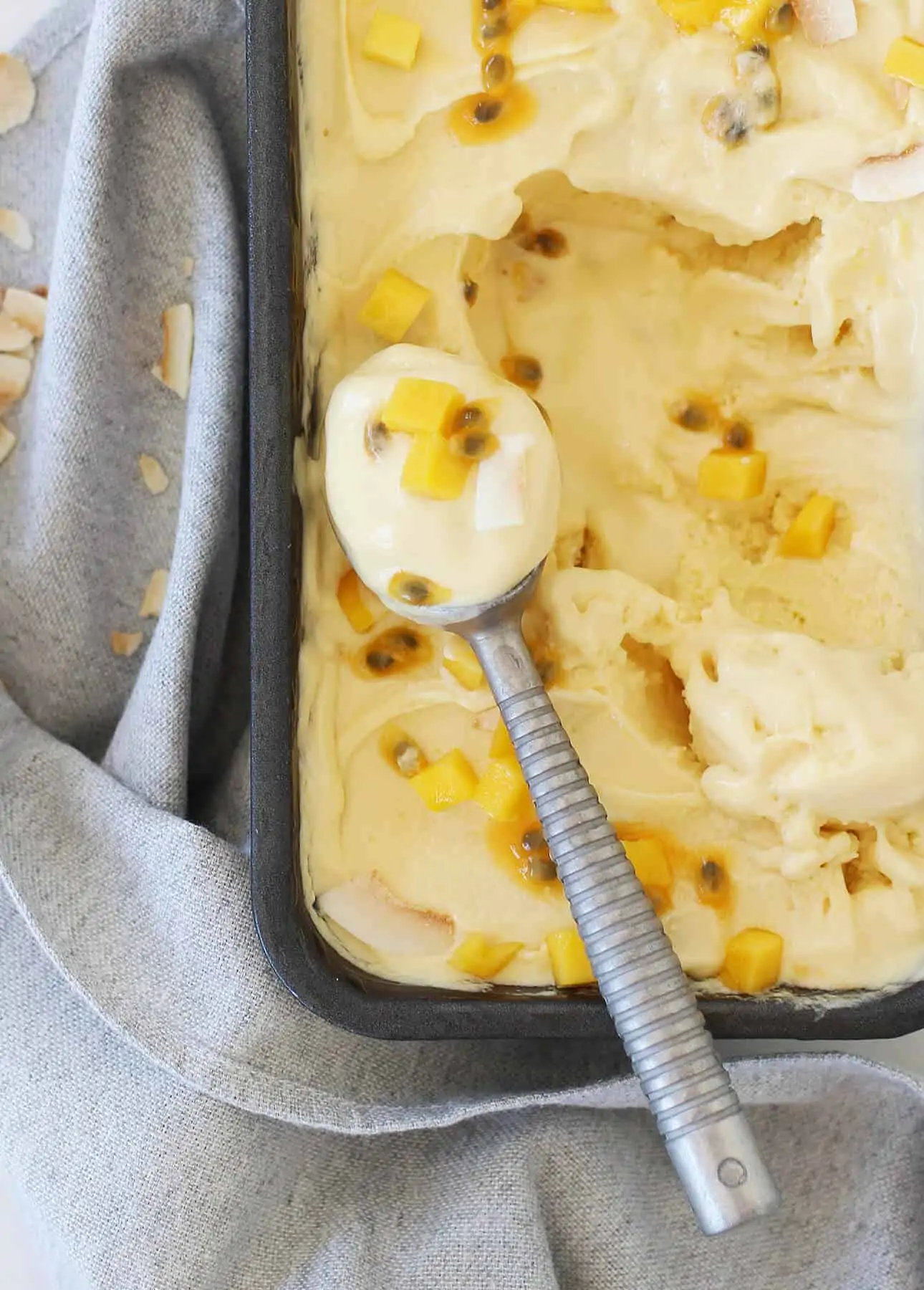
Discover my secrets to making amazing vegan gelato.
Why an Ice Cream Maker Matters to Make Authentic-Tasting Gelato
After exploring my recipes and watching my video masterclass, so many people ask me: “Do I really need an ice cream maker?” If you want that dense, silky, and recognizably Italian texture, my short answer is yes. Here’s why:
- Churning is key: Gelato is churned more slowly than standard ice cream, incorporating significantly less air. That low overrun is crucial for creating tiny ice crystals and that smooth, dense texture.
- What about no-churn methods? Sure, you’ll see many no-churn recipes that rely on condensed milk and whipped cream. While they can be delicious, the higher fat content and lack of slow churning create a very different result. You won’t get the lower-fat intensity that gelato is known for.
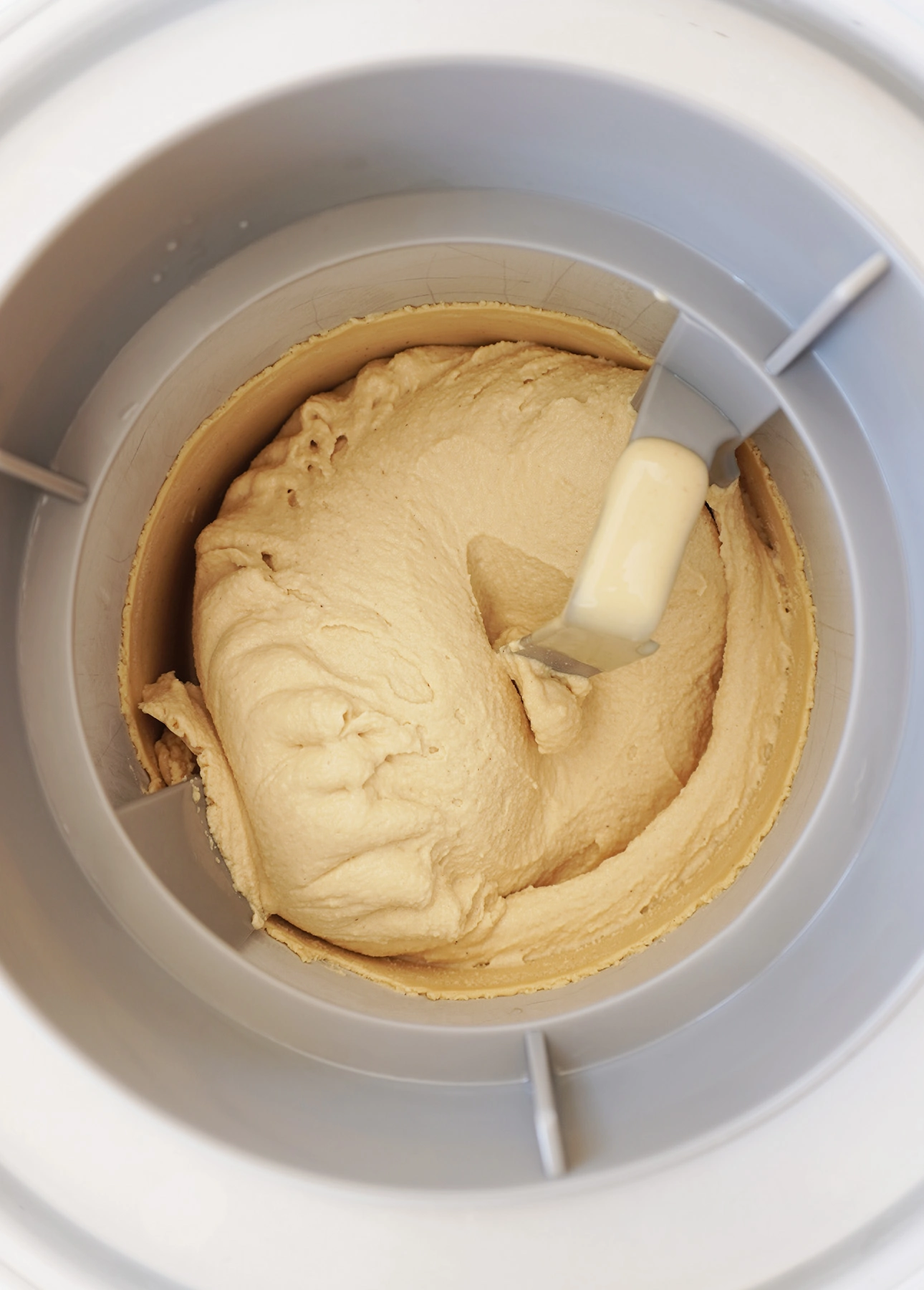
- The machine makes the magic: Whether you’re using a freezer-bowl model or a self-freezing compressor, it’s the controlled churning that transforms a liquid base into silky gelato.
- You don’t need top-of-the-line: Some machines are explicitly marketed as “gelato makers” and come with premium price tags. No need for that—my basic Cuisinart ice cream maker has been doing a beautiful job for almost 15 years. Home models already churn slower than commercial ice cream machines, making them great for gelato.
The Ingredients You Need
To make my classic gelato base, you’ll need milk, sugar, and egg yolks. That’s it!
If you’re lactose intolerant, substitute lactose-free milk and cream 1:1, making sure they have the same fat content my recipes require. That way, you still get the perfect gelato consistency and taste.

Beyond Vanilla: Easy Ways to Flavor Your Base
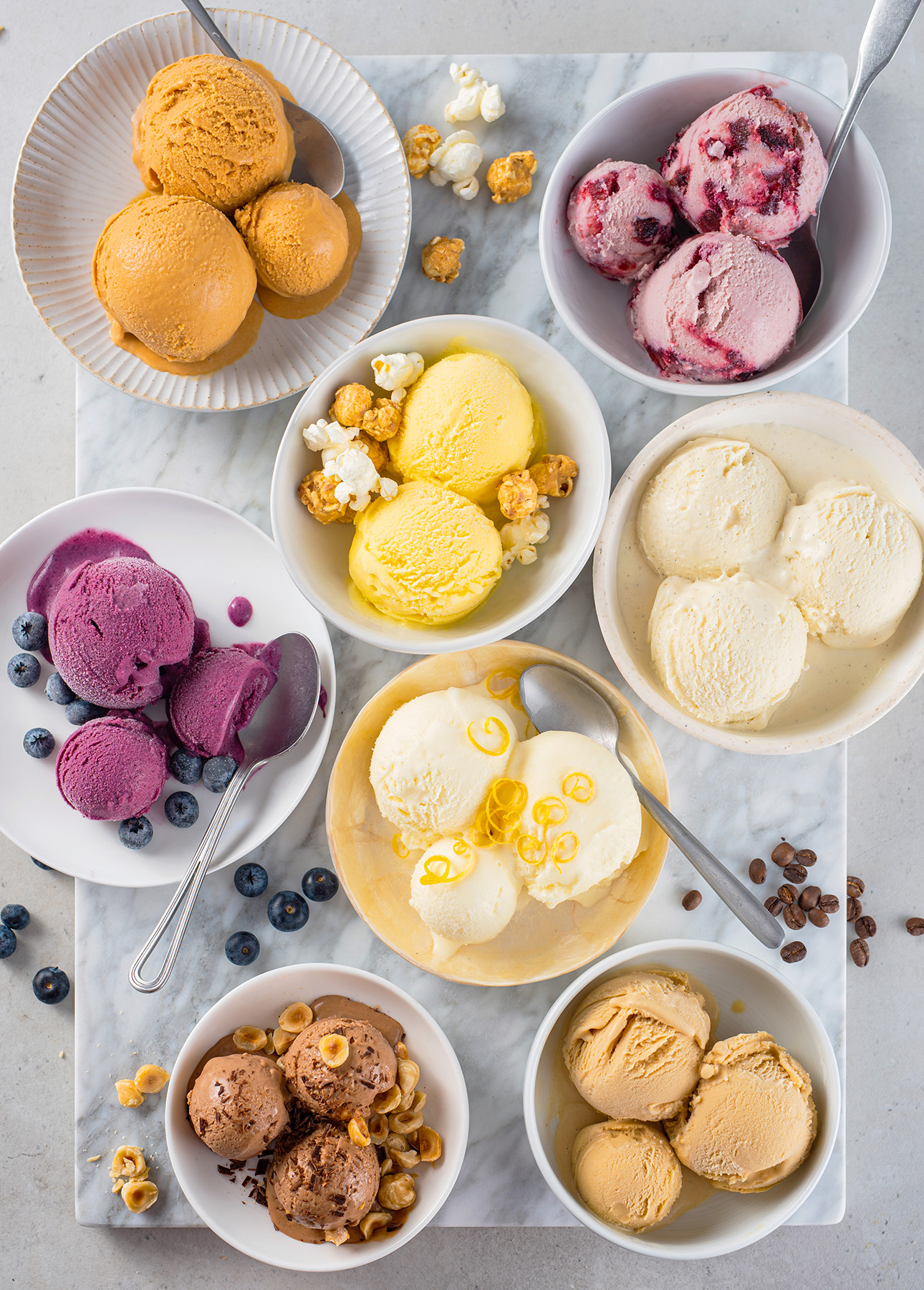
The classic and Sicilian gelato bases are fantastic building blocks—imagine them as blank canvases. Here’s how to transform them into popular favorites (you’ll find full recipes in my Gelato Recipe Collection):
- Fruits: Think deep cherries or bold blueberries. Use prime fresh fruit (or frozen-at-peak produce) to whip up a concentrated purée. Fruit gelatos usually shine with the Sicilian-style (eggless) base. Check out my Mango and Passion Fruit Vegan Gelato for a taste of how vibrant fruit can be.
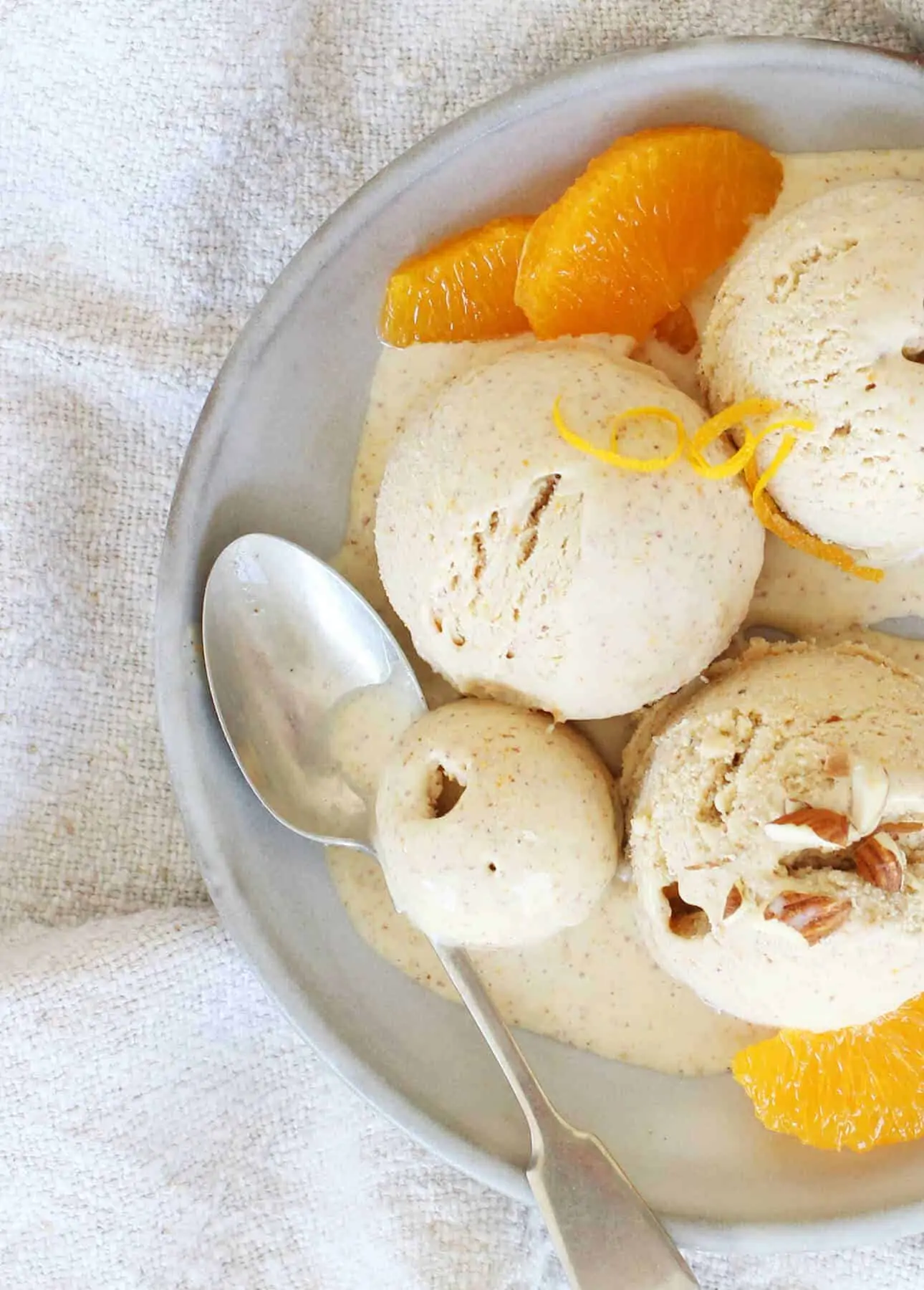
- Nuts: For that classic Pistachio or indulgent Hazelnut, the secret is using a top-quality nut paste rather than just chopped nuts. Commercial nut pastes are expensive and concentrated in flavor. My nut-based gelato recipes (such as pistachio, almond, and hazelnut) teach you to make your own nut paste from scratch, a solution that’s a lot cheaper, yet just as tasty. I recommend pairing nut-based gelato with my classic, custard-based recipe for a creamy, nutty flavor.
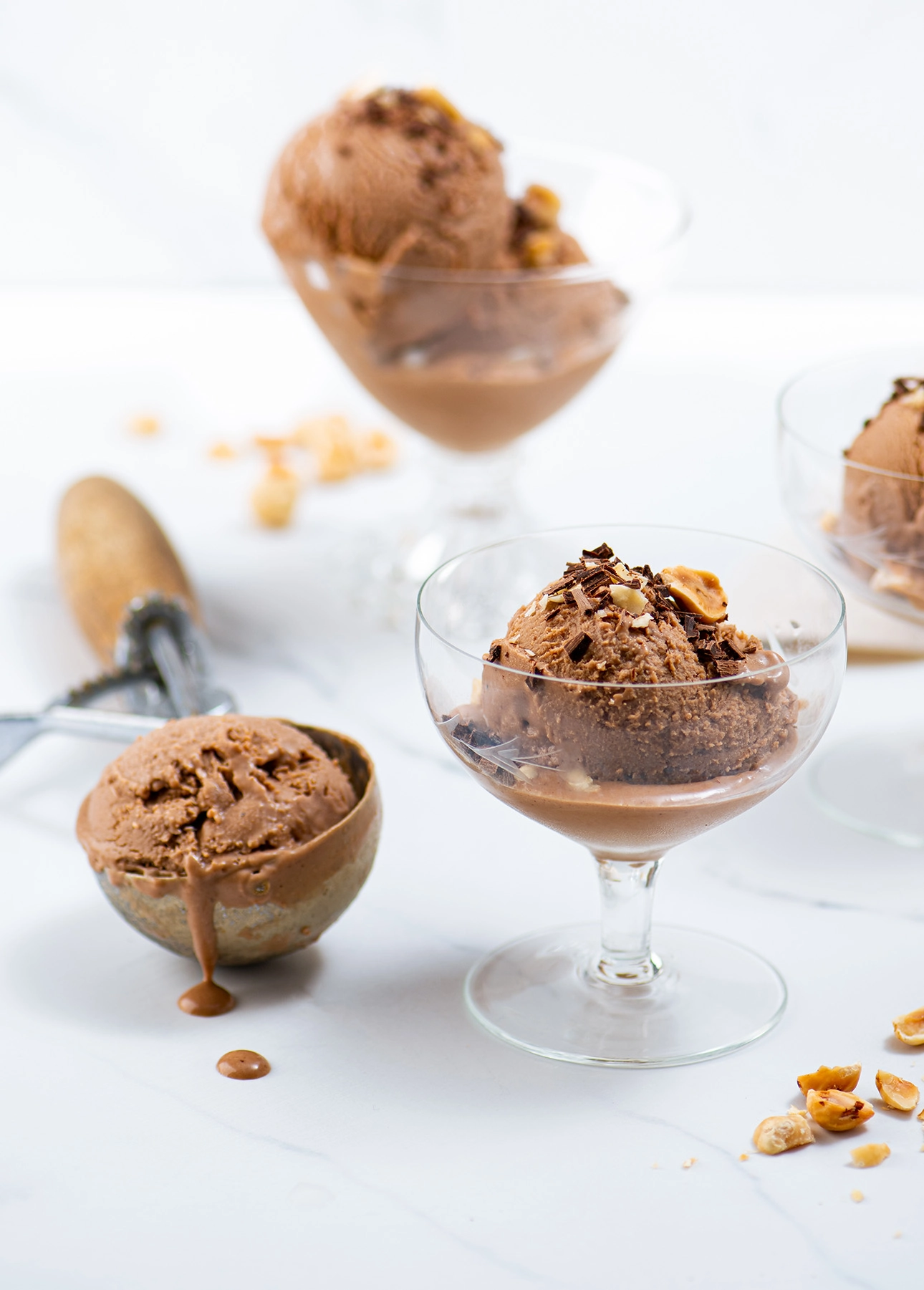
- Chocolate, coffee & more: For a dark chocolate gelato, whisk in high-grade cocoa powder into the custard, or melted chocolate near the end of churning. Want coffee gelato? Steep coffee beans in the warm base. Robust flavors like chocolate, coffee, and maple gelato shine when paired with the classic custard base.
- Stracciatella: To get those delicate chocolate shards, melt good dark chocolate, let it cool slightly, and then drizzle it into your almost-finished gelato. It solidifies instantly into delightful specks.
Don’t be afraid to experiment! Hop over to my full Gelato Recipe Collection for more ideas.

How to Store Homemade Gelato
So, you’ve churned your first batch and want to keep it tasting top-notch. Proper storage is key:
- Pick the right container: Scoop your fresh gelato into a shallow container. Shallow containers freeze faster: I often use loaf pans, which I cover with plastic wrap. Metal works well because it chills quickly. If you make your gelato ahead of time and know it’ll freeze overnight before serving, you can use specialty ice cream containers or standard shallow rectangular airtight containers. Honestly, anything airtight is fine!
- Fend off ice crystals: Press plastic wrap or parchment paper right onto the surface before sealing. This keeps out air, which is the enemy when it comes to icy textures.
- Know your freezer: Home freezers are colder than shop freezers, so your gelato will firm up considerably. For the best texture, enjoy within a week or two. And always, always let it soften on the counter for about 10–15 minutes before scooping.
How to Serve Homemade Gelato
Finally, a serving tip: because most home freezers are very cold, let your gelato rest on the counter for 10–15 minutes before you serve. Not only does this help with scooping—gelato’s lower fat content means it can freeze rock-hard—it also unlocks the flavor and brings back that bar-style texture we all adore.

Help! Why Isn’t My Homemade Gelato Perfect? (Troubleshooting Quick Fixes)
Don’t stress if your first batch isn’t flawless. These simple solutions will help you save the day:
- Issue: Icy or gritty. Large ice crystals typically mean it froze too slowly.
- Fixes: Make sure your base is chilled thoroughly (overnight is ideal). Ensure your maker’s freezer bowl is solidly frozen. Double-check your sugar/fat ratios—both help control ice crystal size.
- Issue: Rock-hard texture. Gelato has less fat than American ice cream, so it freezes more solid in very cold freezers.
- Fixes: Temper it on the counter for 10–15 minutes. Also confirm you used the full sugar amount, as sugar lowers the freezing point.
- Issue: Too soft or runny. If it never really thickened, either the base wasn’t cold enough or your freezer bowl wasn’t fully frozen.
- Fixes: Chill your base longer next time, freeze the bowl fully, and measure sugar or alcohol precisely (too much can prevent solid freezing).
- Issue: Bland flavor. Gelato’s lower fat is supposed to let flavors pop. If yours tastes dull, it might be your ingredients.
- Fixes: Use really fresh, top-quality flavorings (real vanilla, good cocoa, ripe fruit, bold nut pastes). Concentrate fruit purées so they’re not watery. Taste the chilled base first, if safe, to see if the flavor needs boosting.
Adjustments like these can transform your churning experience. Feel free to leave questions in the comments, and I’ll gladly help. After a bit of practice, you’ll be making the best Italian ice cream imaginable—outside of Italy.

Classic Gelato Base Recipe
Ingredients
- 3 cups milk, preferably whole (3.25% m.f.) or partly skimmed (2% m.f.)
- 5 large egg yolks (about 20 grams each)
- ¾ cup granulated sugar
Instructions
- In a medium saucepan, warm the milk over medium heat until it just starts to bubble around the edge (no need to bring it to a boil). Remove from the heat and reserve.
- In the bowl of a stand mixer, or in a large mixing bowl if you’re using a hand mixer, beat the egg yolks and sugar together until the mixture is thick and creamy (about 2 minutes at medium speed).
- With the mixer on low speed, slowly pour in one ladleful of the hot milk into the egg mixture. Slowly pour in the rest of the mixture and beat until the milk is well incorporated.
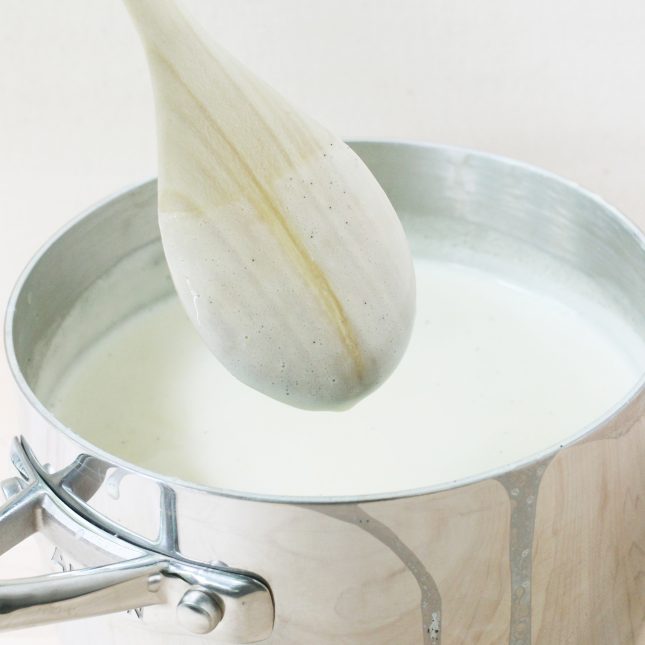
- Pour the milk and egg mixture back into the saucepan, place over medium-low heat and cook, stirring constantly, until the custard coats the back of a wooden spoon.

- Remove from the heat. Let cool to room temperature, then refrigerate for a few hours, or preferably overnight to make sure the custard is very cold before you pour it into the ice cream maker.
- Pour the custard through a fine mesh strainer into the bowl of an ice cream maker (straining the mixture will ensure a silky smooth gelato). Freeze according to the manufacturer’s instructions. Stop the machine when the gelato is icy but still soft.
- STORAGE: Transfer the gelato to an airtight containerand freeze until firm, at least two hours.Classic gelato is at its creamiest and best if enjoyed within 2 weeks. Past that, some ice crystals will inevitably start forming (especially if the gelato is kept in the freezer section of a regular fridge, as opposed to a chest freezer) and the texture won't be quite as smooth. The gelato will still be perfectly edible for up to 2 months, but my pro tip is: enjoy it as quickly as possible after churning.
- SERVING: Always take gelato out to room temperature for 15 to 20 minutes before serving to soften it and make it easier to scoop. This will also allow you to enjoy the treat at its ideal temperature and texture.
- MAKE IT DAIRY FREE: Substitute lactose-free milk or oat milk for the regular milk.
- MAKE IT VEGAN: Get my recipe and instructions for making vegan gelato.
Video
Notes
- Vanilla: Add a split vanilla bean to the mixture at the end of cooking. Leave the vanilla bean in while the custard is cooling to infuse it with a deep vanilla flavor. Fish out the vanilla bean and discard before straining the custard, then churn as instructed.
- Fruits: Mix 2 cups (500 ml) of cold concentrated fruit puree into the custard before straining, then churn as instructed. Refer to my Gelato Recipe Collection for fruit-based gelato recipes.
- Nuts: Strain the custard, then mix 3/4 cup (about 170 g) nut paste (pistachio or hazelnut, for example) into the custard before churning. You might have to blend the mixture to ensure a super smooth texture. Check out my recipes for pistachio, hazelnut, and almond gelato, all of which use homemade nut pastes.
- Chocolate: Whisk in high-quality cocoa powder to the custard or melted chocolate near the end of churning. Refer to my Dark Chocolate Gelato recipe for detailed instructions.
- Coffee: Steep crushed coffee beans in the warm custard, and leave them in while the custard is cooling to infuse it with a deep coffee flavor. Strain the custard before churning. Refer to my Coffee Gelato recipe for detailed instructions.
- Stracciatella: Melting good dark chocolate, let it cool slightly, then drizzle it into the bowl of the ice cream machine towards the end of the churning process. The chocolate will solidify instantly into delightful specks.
- For more inspiring gelato recipes, browse through my full Gelato Recipe Collection!
Did you make this?
Tell me how you liked it! Leave a comment or take a picture and tag it with @foodnouveau on Instagram.
More Gelato Recipes
Browse through all my gelato recipes for inspiration! You’re sure to find a new favorite.
- Dark Chocolate
- Milk Chocolate and Hazelnut
- Pistachio
- Orange Almond
- Coffee
- Lemon
- Maple
- Blueberry
- Raspberry Rose
- Cherry
- White Chocolate and Strawberry with Basil
- Fresh Peach
- Mango and Passion Fruit
- Rhubarb
- Sweet Corn
This site participates in the Amazon Associates Program, an affiliate advertising program designed to provide a means for the site to earn fees by linking to Amazon and affiliated sites. If you click on an affiliate link, I may earn advertising or referral fees if you purchase through such links at no extra cost to you. This helps me create new content for the blog–so thank you! Learn more about advertising on this site by reading my Disclosure Policy.
Author: Marie Asselin
Hi Marie, thank you very much for this wonderful blog you have made. I wanted to ask you if at some point when making a gelato using the classic base recipe, heavy cream must be added. Other sources state that some amount of fat is required for the base to freeze properly, and that the milk alone with yolks cannot achieve this. If the classic base recipe uses no cream or thickening agent when making gelato, does it make it more difficult to make? Would reducing the milk at low heat to make evaporated milk be the key here to make the gelato freeze properly? (I have read that evaporated milk is better for making gelato as it has little to no air in it, making excellent for freezing).
Hello Carlos! You don’t need heavy cream for gelato to “freeze properly.” My classic base is intentionally the traditional milk + sugar + egg yolks style: the sugar and milk solids control how hard it freezes, and the egg yolks add emulsifiers (and some fat) that help create a smooth, stable texture even without cream.
What does happen is that homemade gelato will always feel firmer once it’s been in a home freezer, because home freezers run much colder than gelato’s ideal serving temperature. That’s normal—just let it sit at room temp for a few minutes before scooping.
Reducing milk to make evaporated milk isn’t necessary here, and the “air in milk” idea is a misunderstanding—milk doesn’t freeze poorly because of air. Reducing milk simply concentrates solids and changes the recipe balance (and flavor), so I wouldn’t do that unless you’re following a formula designed around it.
Loved this recipe! I made it just as written and used the Ninja Creami Deluxe. I was unsure how it would turn out since I was not using a traditional ice cream machine but it turned out great! Will definitely be making again.
A lot of people have been asking me about making my gelati recipes with the Ninja Creami Deluxe. I’m so happy to get your feedback, thanks for taking the time to let me know it worked out for you!
Hi,
This looks fantastic! I plan to make the classic base and add pistachio. I have two questions:
1. Would you recommend adding the vanilla bean if I plan to use this as a base for pistachio gelato? I ask because for your Sicilian base you mention you would only use vanilla if making vanilla gelato or if the specific flavor calls for it. I wonder if you have the same recommendation for the classic base.
2. The classic base you have here does not call for cream at all. Yet, you propose substitutions for the heavy cream in the section about making it dairy-free. I want to make sure that the substitution comment is just a carry over from a related recipe and that the original recipe for classic gelato base indeed does not call for any cream.
Thanks!
Hello Corinne, I don’t think it necessary to add a vanilla bean when making Pistachio Gelato. The flavor of pistachio is unique and delicate, you don’t want to overshadow it in any way.
Thanks so much for the judicious observation about the milk/cream substitution in my recipe notes. It’s a typo and you’re absolutely right that cream shouldn’t be mentioned. I’ve updated the recipe. Thank you for noticing and for delivering the feedback in a constructive way!
I love your sicilian-style gelato. For me, its not too sweet, but for friends with diabetes i thought of using Sirop D’Agave as sugar substitute, but will this affect the taste and texture of my gelato if i do so? And what if i lessen the sugar instead, can i still achieve that silky texture gelato base? Tnx!
Hello Jane! I’ve never made gelato using agave syrup, so I’m not sure what the impact would be. I can say that I do use maple syrup from time to time and the gelato is just as silky delicious as it usually is when I use regular sugar. I don’t see why agave syrup wouldn’t work! As for the quantity, you’d have to run some tests. You can add syrup to the base 1/4 cup at a time as you make it, then taste it. Even if the mixture is warm, it should give you a good idea of how sweet it is and whether you need to add more. You can then adjust as desired. I hope these tips will be helpful to you, and I’d love you to report back if you do make gelato with agave syrup. Your experience would surely be helpful to others!
Wonderful gelato recipes. Very well explained. Great work!
Thanks so much Linda!
how do I turn the classic vanilla recipe into chocolate ?
Hey Mary! Please refer to my Dark Chocolate Gelato recipe to learn how to make the best chocolate gelato you’ve ever had 😉 I also have a milk chocolate gelato recipe, if that’s more to your liking. I’d love to hear which one you’ll try. Happy churning!
Buongiorno! The current summer heat makes me longing for some cold desserts. Luckily, I came across this article where you specifically pointed out that the texture of gelato is much denser compared to ice cream. Oh I’m so gonna find a nice gelato shop to fulfil my cravings at an instant.
Amazing recipe! The first time I made it I used vanilla extract because I didn’t have a bean and it turned out great. The second time I added cardamom and start anise to the custard base and used them to make peach and blueberry gelato. I liked the companion video with all of the great details about ice cream makers and the gelato technique. Be patient with cooking the custard- it’s absolutely worth doing this method over the Sicilian!
Adding spices to the custard definitely provides a really lovely flavor boost to fruit-based gelati! So happy to read my video class and tips were helpful to you. I’d love to hear which flavors you’re gonna churn next!
I’m going to try your chocolate gelato, but instead of coffee liquor do you know this amazing Italian chocolate liquor? Bicerin Originale Di Giandujotto. It’s incredible! Thanks for the YouTube video helped me get going. My favorite flavour experiment so far is… Amarela cherries with a touch of Almond essence.
Thanks for the feedback Ali! Happy to know my recipe is working well for you. I did not know the chocolate and hazelnut liquor you mentioned but now I’m obsessed with it! I hope I can find it where I am. If you have it on hand, you could definitely add a tablespoonful or two to either the dark chocolate gelato or my gianduja gelato! Let me know if you give it a try.
Hi.
Little baffle here. I saw you on YouTube. Saying one egg and if like to get recipes from this site and showing 5 yolks . Which one is correct??
Thank you
Hi Bridget! My classic gelato base uses 5 egg yolks, but the recipe that uses only one egg yolk (and cornstarch as an additional thickening agent) is my Sicilian-style gelato base. You’ll find the recipe for that right here: https://foodnouveau.com/sicilian-style-gelato/ Happy churning!