
Classic Gelato Base Recipe
Learn how to make the creamiest Italian ice cream at home using step-by-step instructions and turn one easy base into a multitude of flavors.
Servings 1 quart (4 cups/1L)
Ingredients
- 3 cups milk, preferably whole (3.25% m.f.) or partly skimmed (2% m.f.)
- 5 large egg yolks (about 20 grams each)
- ¾ cup granulated sugar
Instructions
- In a medium saucepan, warm the milk over medium heat until it just starts to bubble around the edge (no need to bring it to a boil). Remove from the heat and reserve.
- In the bowl of a stand mixer, or in a large mixing bowl if you’re using a hand mixer, beat the egg yolks and sugar together until the mixture is thick and creamy (about 2 minutes at medium speed).
- With the mixer on low speed, slowly pour in one ladleful of the hot milk into the egg mixture. Slowly pour in the rest of the mixture and beat until the milk is well incorporated.
- Pour the milk and egg mixture back into the saucepan, place over medium-low heat and cook, stirring constantly, until the custard coats the back of a wooden spoon.
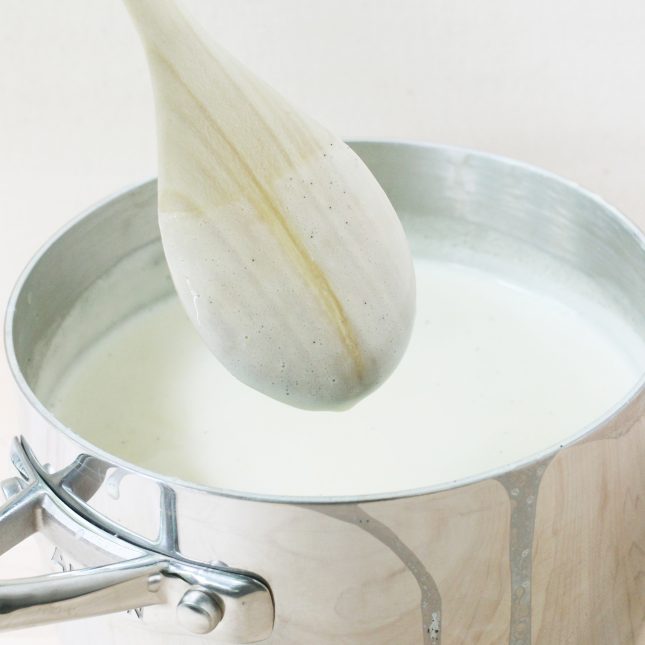
- Remove from the heat. Let cool to room temperature, then refrigerate for a few hours, or preferably overnight to make sure the custard is very cold before you pour it into the ice cream maker.
- Pour the custard through a fine mesh strainer into the bowl of an ice cream maker (straining the mixture will ensure a silky smooth gelato). Freeze according to the manufacturer’s instructions. Stop the machine when the gelato is icy but still soft.
- STORAGE: Transfer the gelato to an airtight containerand freeze until firm, at least two hours.Classic gelato is at its creamiest and best if enjoyed within 2 weeks. Past that, some ice crystals will inevitably start forming (especially if the gelato is kept in the freezer section of a regular fridge, as opposed to a chest freezer) and the texture won't be quite as smooth. The gelato will still be perfectly edible for up to 2 months, but my pro tip is: enjoy it as quickly as possible after churning.
- SERVING: Always take gelato out to room temperature for 15 to 20 minutes before serving to soften it and make it easier to scoop. This will also allow you to enjoy the treat at its ideal temperature and texture.
- MAKE IT DAIRY FREE: Substitute lactose-free milk or oat milk for the regular milk.
- MAKE IT VEGAN: Get my recipe and instructions for making vegan gelato.
Video
Notes
VARIATIONS:
- Vanilla: Add a split vanilla bean to the mixture at the end of cooking. Leave the vanilla bean in while the custard is cooling to infuse it with a deep vanilla flavor. Fish out the vanilla bean and discard before straining the custard, then churn as instructed.
- Fruits: Mix 2 cups (500 ml) of cold concentrated fruit puree into the custard before straining, then churn as instructed. Refer to my Gelato Recipe Collection for fruit-based gelato recipes.
- Nuts: Strain the custard, then mix 3/4 cup (about 170 g) nut paste (pistachio or hazelnut, for example) into the custard before churning. You might have to blend the mixture to ensure a super smooth texture. Check out my recipes for pistachio, hazelnut, and almond gelato, all of which use homemade nut pastes.
- Chocolate: Whisk in high-quality cocoa powder to the custard or melted chocolate near the end of churning. Refer to my Dark Chocolate Gelato recipe for detailed instructions.
- Coffee: Steep crushed coffee beans in the warm custard, and leave them in while the custard is cooling to infuse it with a deep coffee flavor. Strain the custard before churning. Refer to my Coffee Gelato recipe for detailed instructions.
- Stracciatella: Melting good dark chocolate, let it cool slightly, then drizzle it into the bowl of the ice cream machine towards the end of the churning process. The chocolate will solidify instantly into delightful specks.
- For more inspiring gelato recipes, browse through my full Gelato Recipe Collection!
Did you make this?
Tell me how you liked it! Leave a comment or take a picture and tag it with @foodnouveau on Instagram.